The Art Market Integrity Act
How New U.S. AML Rules Could Transform the Art Trade
Emil Björck
Founder & AML Specialist · Reviewed by the KYCProtect Compliance Team
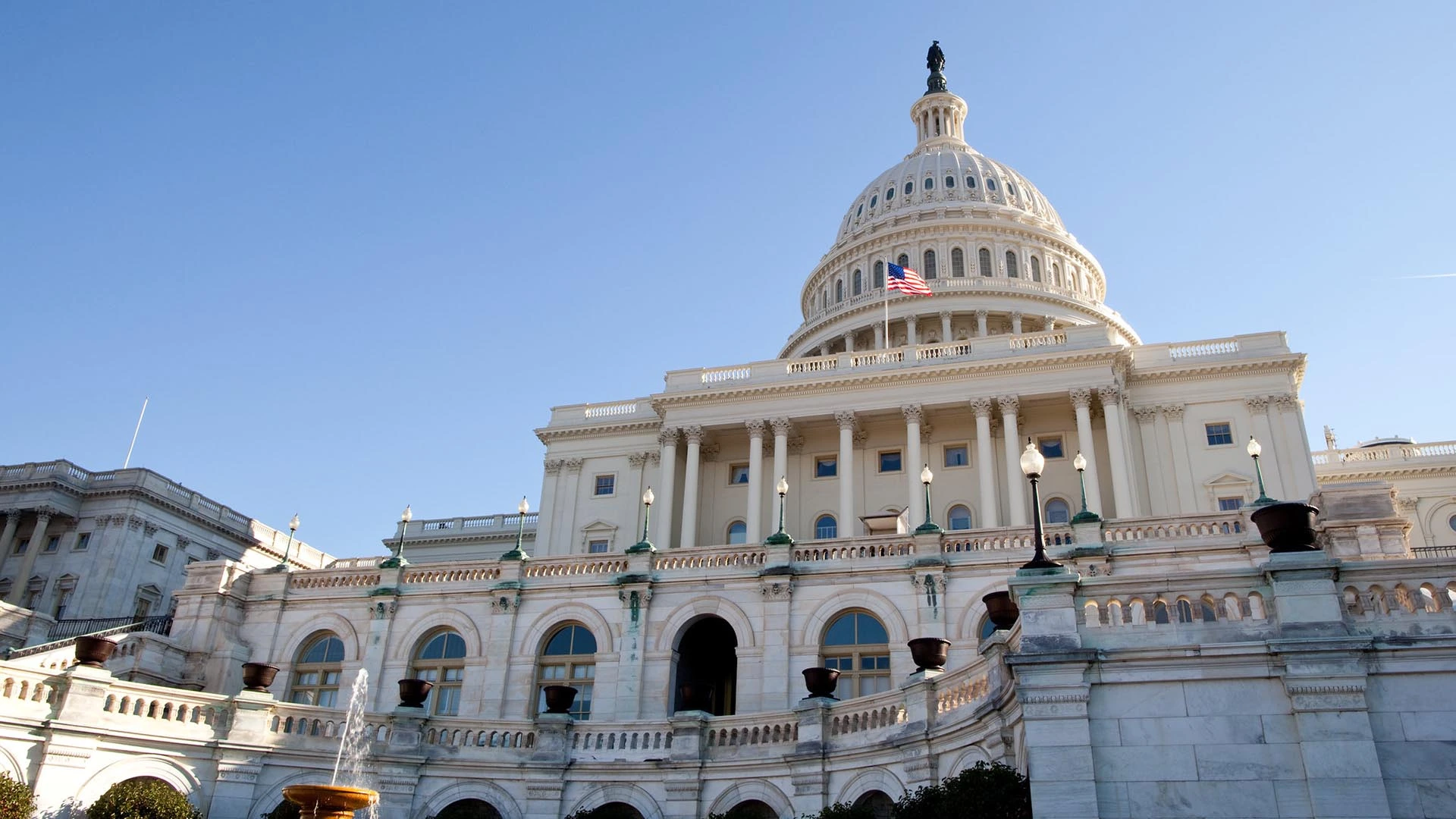
The proposed Art Market Integrity Act could bring the U.S. art market under anti-money laundering rules similar to those already enforced in Europe and the UK. If adopted, galleries, dealers, and advisors may need to implement customer due diligence, transaction monitoring, and suspicious activity reporting under the Bank Secrecy Act.
For decades, the United States has been considered a regulatory outlier in the global art market. While art transactions frequently involve multimillion-dollar sales, intermediaries, and cross-border buyers, the industry has largely operated without the anti-money laundering obligations imposed on other high-risk sectors.
A bipartisan proposal known as the Art Market Integrity Act aims to change that by bringing much of the U.S. art ecosystem under the framework of the Bank Secrecy Act (BSA).
If enacted, the legislation would significantly reshape compliance expectations for art dealers, galleries, advisors, and auction houses across the United States.
Why the U.S. Art Market Is Facing New Regulation
The push for reform stems from long-standing concerns that the art trade can be exploited for money laundering, sanctions evasion, and illicit financial flows.
Unlike banks or financial institutions, many art businesses currently have no legal obligation to conduct customer due diligence or report suspicious transactions.
A 2020 expansion of the Anti‑Money Laundering Act of 2020 brought antiquities dealers into the BSA framework, but it did not fully address the broader contemporary art market.
The Art Market Integrity Act is designed to close that gap.
Supporters argue the U.S.—home to the world’s largest art market—has lagged behind regulatory developments already implemented in Europe and the United Kingdom.
Click here to try KYCProtect for free and stay protected.
What the Art Market Integrity Act Would Require
If passed, the bill would treat many art market intermediaries similarly to financial institutions for AML purposes.
This means they could be required to implement standard compliance measures such as:
- Customer due diligence (CDD)
- Beneficial ownership verification
- Suspicious Activity Reports (SARs)
- Transaction recordkeeping
- Currency transaction reporting
These obligations would likely be administered by the Financial Crimes Enforcement Network (FinCEN), the U.S. Treasury’s financial intelligence unit.
However, FinCEN would still need to issue detailed regulations specifying how the rules apply in practice.
Who Would Be Covered by the Law
One of the most significant aspects of the proposal is its broad definition of art market participants.
The law could apply to:
- Art dealers
- Galleries
- Auction houses
- Art advisors and consultants
- Custodians and storage providers
- Museums involved in transactions
- Professional intermediaries
However, the bill includes several exemptions designed to protect smaller market participants.
The law would not apply to:
- Individuals who did not participate in a single art transaction exceeding $10,000 during the previous year
- Businesses with total annual art transactions below $50,000
- Artists selling only their own work
The bill also proposes a narrow definition of “work of art.” Covered items include original paintings, sculptures, prints, drawings, photographs, installation art, and video art, while mass-produced decorative objects would be excluded.
How U.S. Rules Compare to Europe
In many ways, the legislation would bring the United States closer to regulatory systems already adopted internationally.
For example, the European Union introduced AML obligations for art market participants under the Fifth Anti‑Money Laundering Directive (5AMLD), which requires due diligence for transactions above €10,000.
More recently, the EU established the Anti‑Money Laundering Authority (AMLA), a centralized watchdog responsible for strengthening enforcement across member states.
Similarly, the United Kingdom regulates art market participants through oversight from HM Revenue & Customs, requiring registration, compliance programs, and reporting obligations.
Compared with these jurisdictions, the U.S. framework has historically been far less restrictive.
What Art Market Professionals Should Do Now
Even if the Art Market Integrity Act does not immediately become law, compliance expectations in the art world are clearly evolving.
Art businesses may benefit from adopting risk-based compliance measures now, including:
- Basic Know-Your-Client (KYC) procedures
- Routine sanctions screening
- Verification of beneficial ownership structures
- Monitoring unusual payment arrangements
- Internal procedures for escalating suspicious activity
For many galleries and advisors, implementing modest compliance controls early can be far less costly than responding to regulatory investigations later.
As governments increasingly focus on transparency in high-value asset markets, the message is becoming clear: the era of minimal oversight in the art trade may be coming to an end.