EU Sanctions Hermitage Director Mikhail Piotrovsky Over Support for Russia’s War in Ukraine
Implications of Sanctions on Cultural Heritage and the Art Market
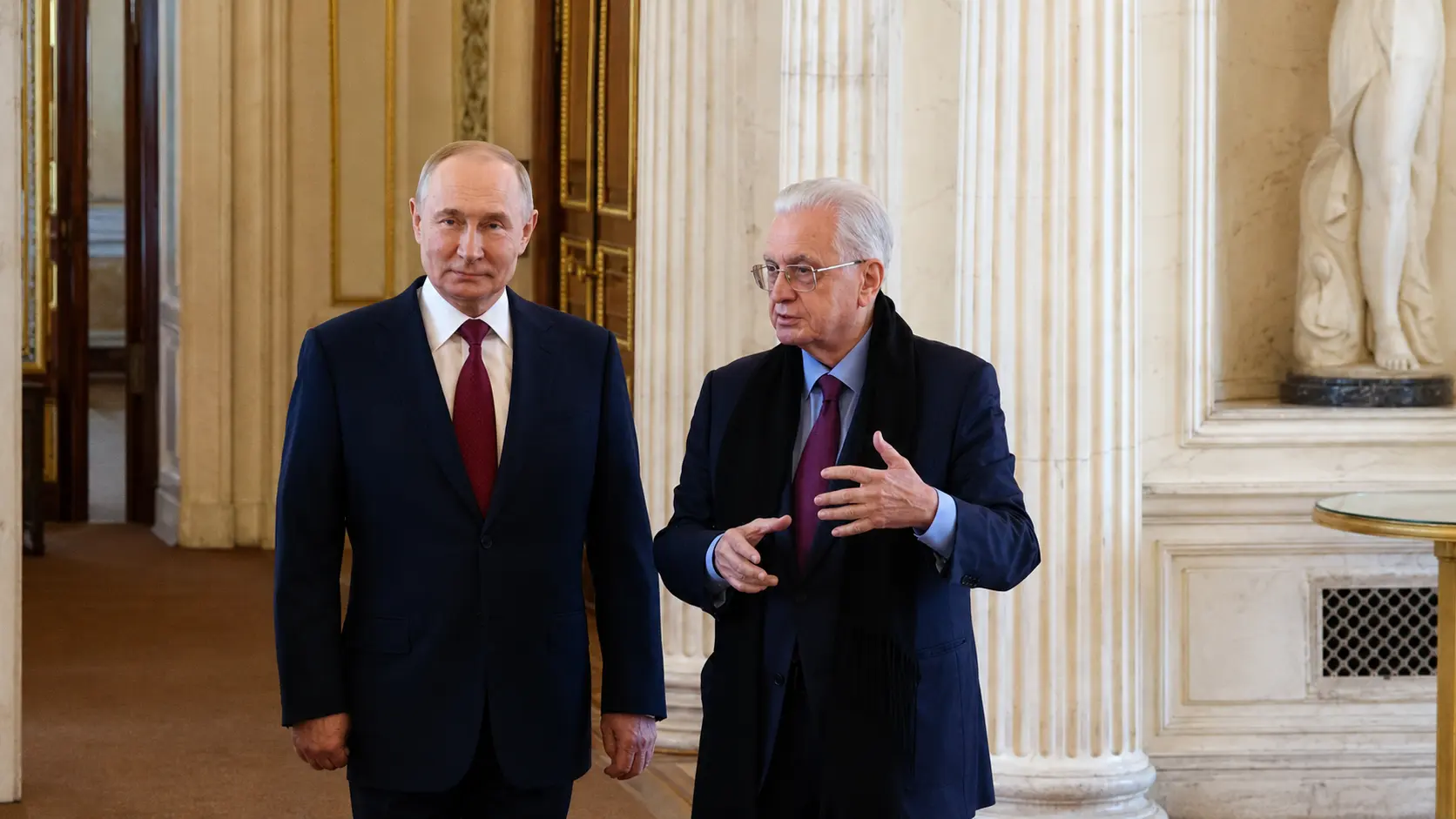
The EU has sanctioned Mikhail Piotrovsky, highlighting the intersection of culture and politics in the ongoing conflict. Art market participants must navigate new compliance risks tied to sanctioned individuals and institutions, making diligent provenance checks essential.
The recent decision by the Council of the European Union to impose sanctions on Mikhail Piotrovsky, the long-standing director of the State Hermitage Museum, marks a significant turning point in how cultural institutions intersect with global politics. This action highlights the implications of art and cultural heritage in the landscape of international law and geopolitical tensions, especially as they relate to the ongoing conflict in Ukraine.
Cultural institutions such as the Hermitage Museum often stand as symbols of national heritage, but they are not immune from scrutiny in times of political crisis. The EU’s sanctions against Piotrovsky underscore the fact that cultural leaders can wield substantial influence not just within their countries, but on a global scale. Given Piotrovsky's public comments and support for legislation that impacts Ukrainian cultural property, it is apparent that the role of culture cannot be divorced from the larger political framework within which it exists.
Moreover, these sanctions illustrate how cultural figures may inadvertently become entangled in larger geopolitical narratives, blurring the lines between art, politics, and ethical responsibility.
Implications for the Art Market
The repercussions of these sanctions extend far beyond the individual artists or institutions involved. They serve as a critical reminder for the art market and cultural sector that due diligence now encompasses much more than questions of ownership and provenance. In today's interconnected world, art dealers, galleries, auction houses, and collectors must be vigilant in understanding the broader context of the artworks they handle:
- Connections to Sanctioned Individuals: Works of art may inadvertently connect to individuals or organizations that are sanctioned, affecting their legitimacy.
- Occupied Territories: Artifacts originating from regions like Crimea may raise complicated ethical and legal questions related to ownership.
- Cultural Property Legislation: Awareness of legislation impacting cultural objects is critical, as it may lead to complications or liabilities.
Given these complexities, compliance with local and international laws regarding art transactions has become increasingly intricate.
New Challenges in Provenance and Due Diligence
The sanctions against significant cultural figures stir questions about the processes of provenance verification and compliance monitoring. Even an artwork with legitimate documentation could harbor risk due to associations that may not be immediately obvious. For example:
- International Loans and Acquisitions: Sanctions can complicate cross-border transactions, making it essential for organizations to conduct exhaustive checks on both the artwork and its custodians.
- Research Collaborations: Institutions that collaborate with artists or directors from sanctioned entities may find themselves subject to scrutiny or legal consequences.
- Reputation Risks: Maintaining public trust in the art market requires transparency and diligence, as any perceived connection to sanctioned figures might compromise a gallery's reputation.
The implications of these developments compel art market participants to evaluate their compliance protocols meticulously.
KYCProtect's Role in Navigating Compliance Challenges
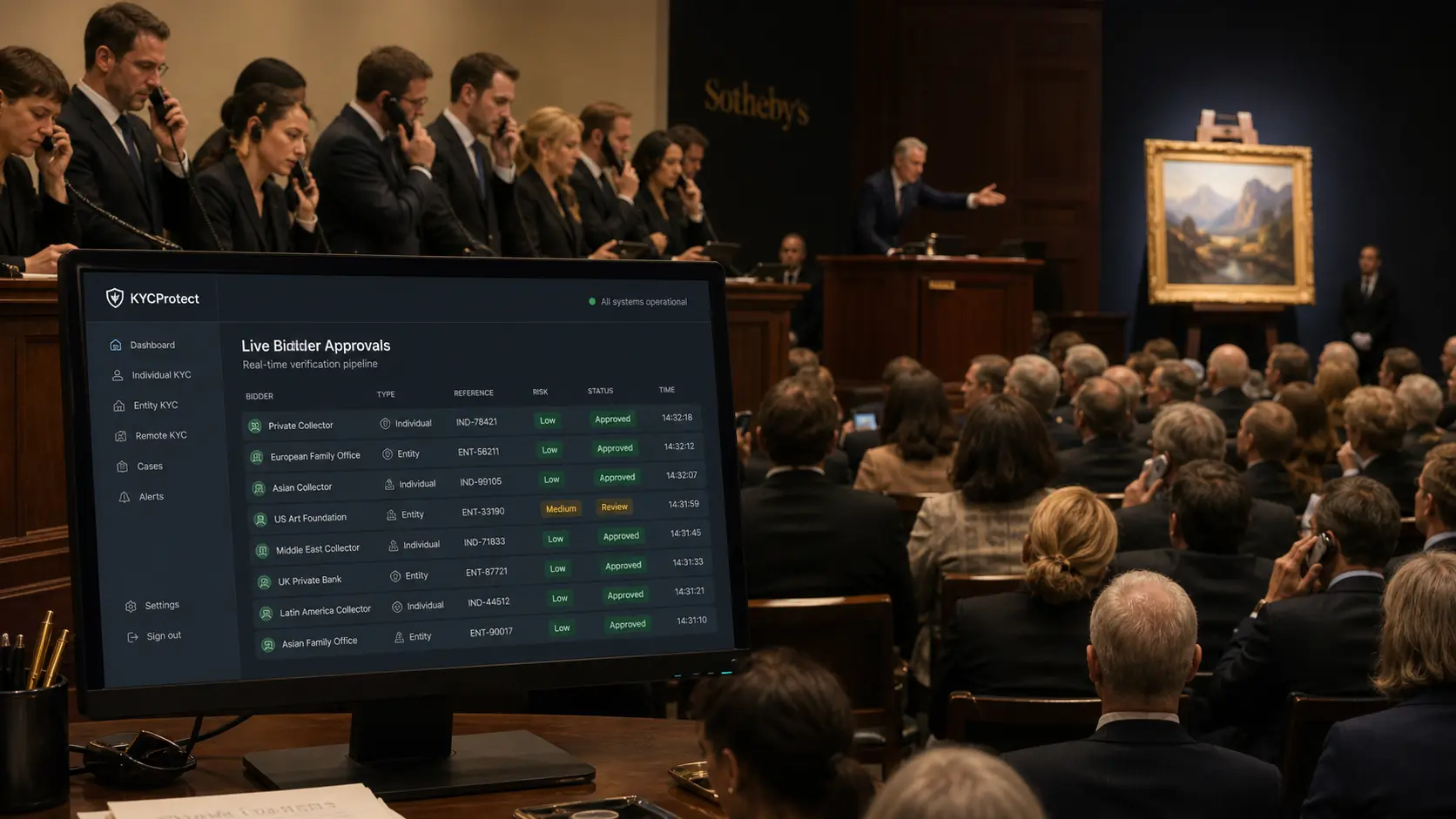
As the dynamics of the art market evolve, so too must the tools that support it. KYCProtect offers a specialized platform designed to address these unique challenges. Unlike generic compliance tools, KYCProtect is tailored specifically for the nuances of the art world:
- Sanctions Screening: Efficiently check artworks, individuals, and organizations against sanctioned lists.
- Provenance Review: Assist in verifying the history and legitimacy of artworks, ensuring compliance with relevant laws.
- Client Onboarding: Streamline the process of onboarding clients while adhering to KYC (Know Your Customer) regulations.
- Audit-Ready Due Diligence: Maintain a documented approach to compliance that stands up to regulatory scrutiny.
By utilizing tools designed specifically for the complexities of the art market, galleries can reduce the time spent on compliance and refocus their efforts on what they do best: working with art, collectors, and sales.
Conclusion
As cultural heritage becomes entangled in the political landscape, the art market must adapt to these changing dynamics. The sanctions imposed on figures like Mikhail Piotrovsky represent a significant moment in which the intersection of art, culture, and global politics is made strikingly clear. Art professionals must be diligent in navigating these realities, ensuring that their practices align with broader ethical and legal standards.
In this landscape of increased scrutiny, compliance tools like KYCProtect provide essential support to help art galleries operate with confidence and integrity.
Visit our website to learn how KYCProtect can help your gallery operate with confidence.