Fetterman Calls on FinCEN to Advance Anti-Money-Laundering Rules for the Antiquities Trade
Urgent call for stronger compliance in the antiquities market
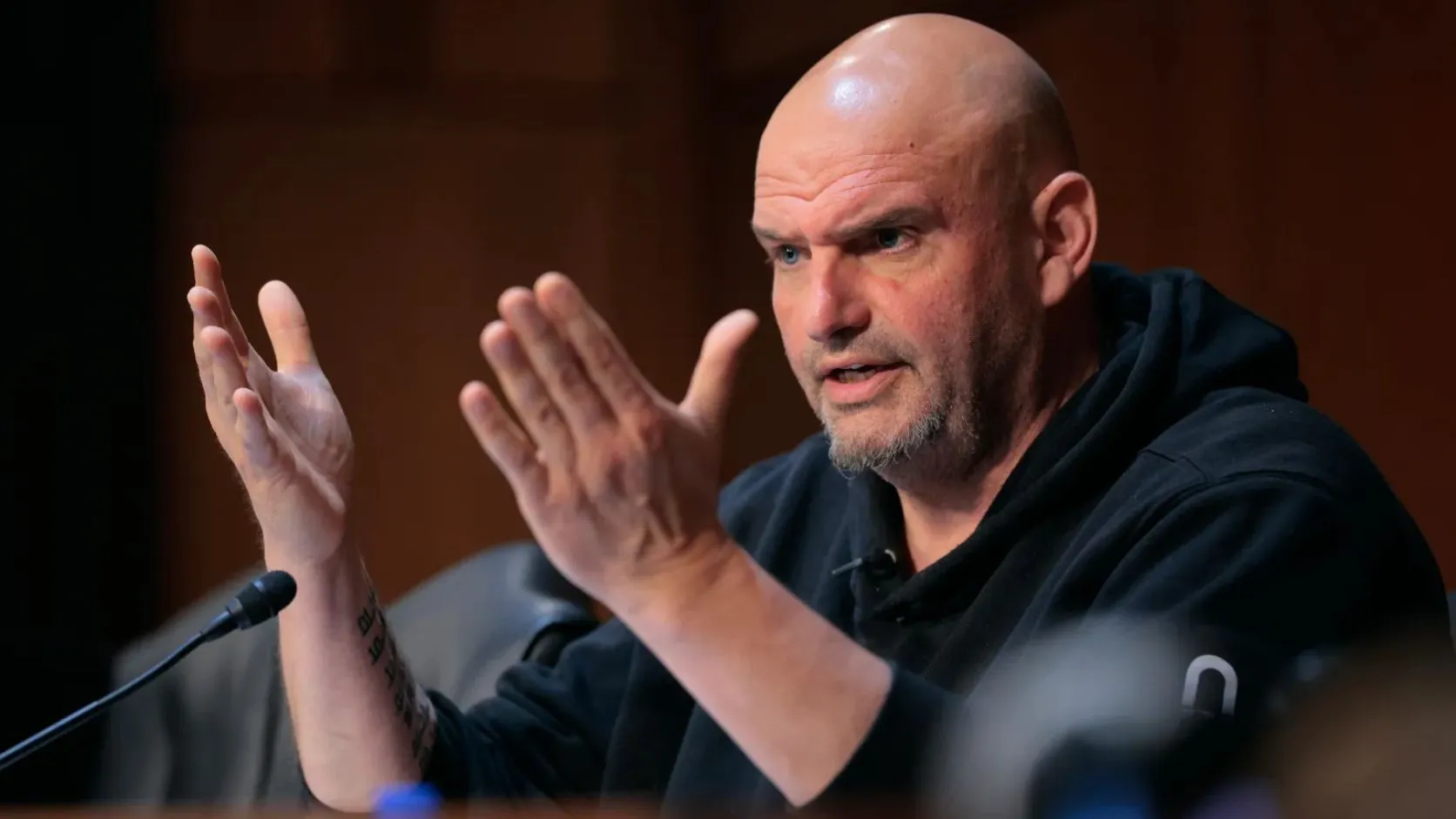
Senator John Fetterman urges FinCEN to implement anti-money-laundering regulations for antiquities dealers. Highlighting national security threats, he stresses the need for due diligence to counter money laundering and terrorism financing through looted cultural properties.
In recent months, the art world has faced increasing scrutiny concerning its role in potential financial misconduct, particularly in relation to antiquities. U.S. Senator John Fetterman (D-PA) has taken significant steps to address this issue by urging the Financial Crimes Enforcement Network (FinCEN) to finalize anti-money-laundering regulations specifically targeting the antiquities trade. His concerns highlight not only the financial implications but also the potential for cultural loss and national security threats.
Senator Fetterman has expressed serious concerns about the use of looted antiquities as tools for financing nefarious activities, including terrorism and organized crime. With examples such as Iranian cultural objects potentially being sold in the U.S. market, the need for regulations that enforce due diligence among antiquities dealers becomes increasingly pressing. The absence of a structured regulatory framework currently leaves gaps that enable illicit financing, thereby creating a hazardous environment both for cultural heritage and national security.
In his communication with Treasury Secretary Scott Bessent, Fetterman emphasized that Congress had already laid the groundwork in 2020 with bipartisan legislation aimed at directing FinCEN to formulate specific anti-money-laundering rules. However, the withdrawal of these proposed regulations left antiquities dealers without the guidance they need to operate safely within the market.
The Role of Antiquities in Illicit Finance
Looted antiquities have been increasingly linked to funding for criminal networks and terrorist organizations. Senator Fetterman referenced numerous cases where the sale of stolen artefacts not only undermines cultural identity but also contributes to organized crime. High-profile instances, such as the interception of Bronze Age artefacts looted from Iran, illustrate the tangible risks involved in the unregulated antiquities market.
Thus, antiquities are not just valuable artifacts; they are also risky assets that can serve as financial instruments for nefarious purposes. The average dealer or gallery owner without proper tools or guidelines may unwittingly become a conduit for money laundering.
The Case for Due Diligence
Implementing basic due diligence rules for antiquities dealers has emerged as a pivotal point in Senator Fetterman’s advocacy. Drawing parallels with other sectors, such as casinos, jewellers, and pawn shops—where routine customer checks are mandatory—Fetterman stresses that the antiquities market deserves no less scrutiny. By requiring dealers to understand the provenance of their items, authorities can disrupt the financial channels used to support money laundering and terrorism.
The regulations that Fetterman proposes will not only clarify the responsibilities for antiquities dealers but will also empower law enforcement agencies to act more decisively against those misusing cultural property.
Legislative Momentum
Fetterman’s recent efforts also tie into larger legislative initiatives aimed at tightening the art market. His introduction of the bipartisan Art Market Integrity Act, which mandates anti-money-laundering compliance in art dealings, is a crucial step forward. This proposed legislation recognizes the existing authority of FinCEN to regulate antiquities dealers and serves as an appeal for expedited action.
Moreover, Fetterman highlighted the need for collaboration among key stakeholders, including policymakers, galleries, and law enforcement, to ensure a comprehensive approach to combatting the challenges posed by looted cultural artefacts.
Conclusion
As the antiquities market continues to grow, the necessity for transparent regulations becomes ever more essential. Senator Fetterman's call to action underscores the urgency of establishing a standardized system to inhibit the use of looted artefacts for illegal funding, while also preserving cultural heritage. In a sector where every piece can tell a story, ensuring that those stories are authentic and legitimate is crucial for the legitimacy of the art world as a whole. The anticipated regulations could provide much-needed guidance for art dealers navigating these complex waters.
Visit our website to learn how KYCProtect can help your gallery operate with confidence.