How a $20 Million Fraud Case Reveals the Real Risks of Money Laundering
Lessons for the Art Market from a Major Fraud Case
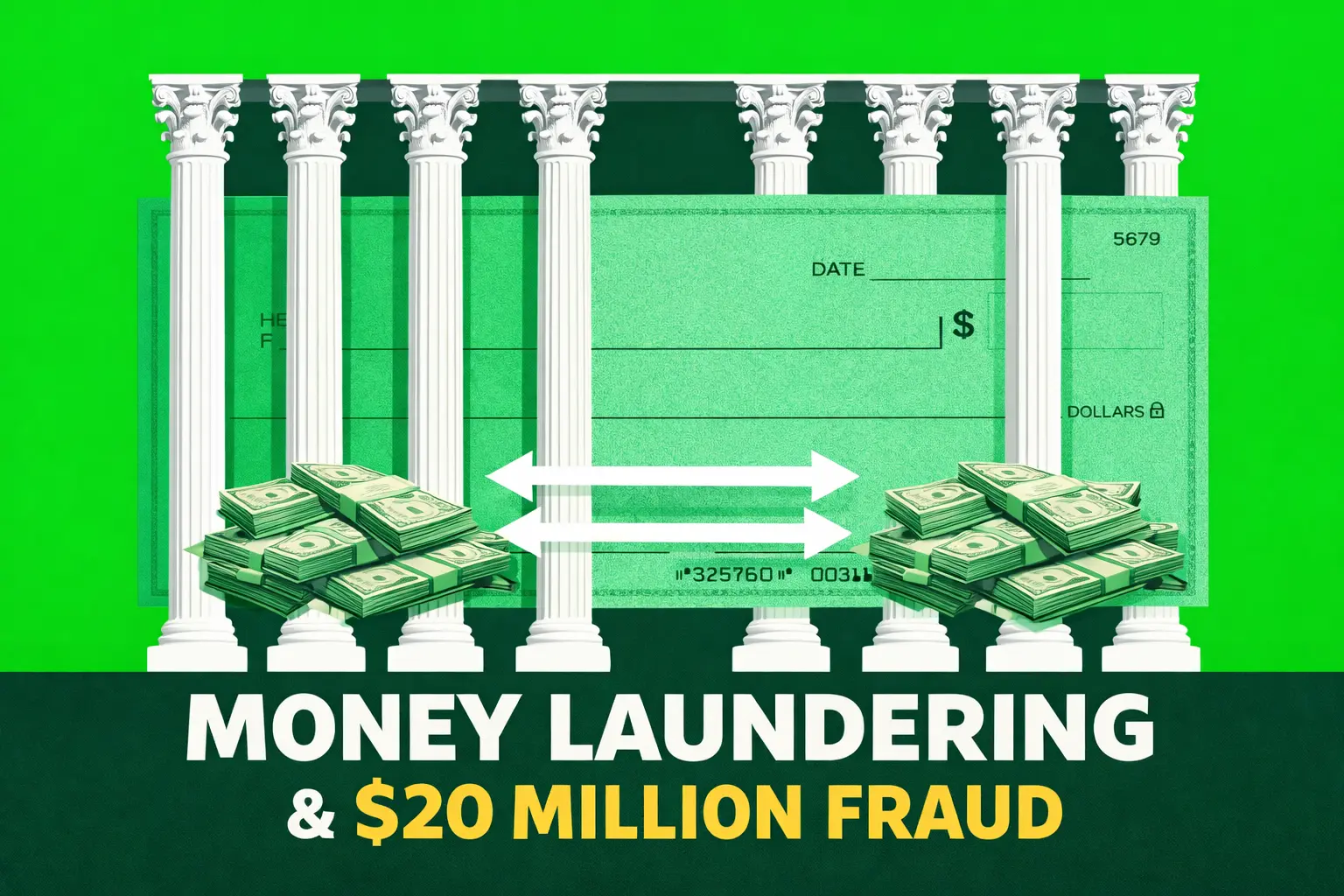
The $20 million fraud case of Katherine Mott-Formicola highlights how easily financial systems can be exploited through manipulation of banking processes. It underscores the necessity for stronger oversight and proactive risk management, particularly in industries like the art market, where irregularities can go unnoticed.
In April 2026, the United States witnessed a high-profile fraud case that shook the financial and regulatory landscape, highlighting the real risks associated with money laundering. Katherine Mott-Formicola, a New York restaurateur, pleaded guilty to financial institution fraud and money laundering, involving a staggering $20 million in illicit withdrawals. This case serves as a stark reminder of how easily financial systems can be exploited when oversight is inadequate, emphasizing the pressing need for better compliance measures across various industries.
Mott-Formicola ran several upscale restaurants and held accounts at multiple financial institutions, including Five Star Bank and Kinecta Federal Credit Union. Between 2022 and 2024, she executed a well-known scheme called check kiting. This involved depositing fraudulent checks exceeding $62 million and withdrawing over $20 million before her actions were detected.
Check kiting is an age-old technique, yet the ease with which it was employed reveals a critical vulnerability within financial systems. The effectiveness of this scheme underscores the importance of vigilant monitoring and control mechanisms that can intercept fraudulent activities before they escalate.
What is Check Kiting—and Why Does It Matter?
Check kiting exploits the time delay between when a check is deposited and when the funds are cleared between banks. By transferring money between accounts that do not have sufficient funds, an individual can create a temporary illusion of available credit. This tactic allows for the withdrawal or expenditure of nonexistent funds.
Despite its seemingly outdated nature, the principle behind check kiting remains strikingly relevant today. Money laundering schemes often do not rely solely on advanced technology; instead, they manipulate the gaps within financial systems to perpetuate illegal activities.
The Connection to Money Laundering
In Mott-Formicola's case, it wasn't just about generating fraudulent funds but also about circulating and concealing them, leading to charges of money laundering. Generally, the money laundering process involves three components:
- Creation or introduction of illicit funds: This phase establishes the origin of the funds as "dirty."
- Movement through multiple transactions: This obscures the source and creates layers between the illicit funds and their eventual use.
- Reintroduction of the funds as legitimate assets: This is the final phase where the "cleaned" money appears to have a legitimate origin.
The rapid escalation of Mott-Formicola's fraudulent activities illustrates how quickly and effectively money laundering can occur when monitoring systems fail to detect abnormalities in transactions.
Why This Matters Beyond Banking
While this fraud case stems from traditional banking environments, the implications resonate across various sectors, particularly those characterized by:
- High-value transactions
- Cross-border activity
- Discretion and trust-based relationships
One such sector at risk is the art market. Art transactions often involve substantial financial sums coupled with informal processes and a lack of standardization. This combination creates an environment where financial irregularities can easily go unnoticed without the presence of robust controls.
The Real Takeaway: Systems, Not Intent
A pivotal lesson from this case is understanding that money laundering risks often do not arise from clear criminal intent. They often manifest through:
- Routine, repeated transactions: These may appear normal on the surface.
- Obscured ownership structures: Complex structures can hide the true source of funds.
- Delays or fragmentation: Gaps between systems can facilitate unknown risks.
Identifying these risks is less about monitoring the people involved and more about analyzing the systems that govern financial activity.
From Reaction to Prevention
The Mott-Formicola case illustrates the dire consequences of delayed detection. By the time authorities intervened, over $20 million had been withdrawn, demonstrating that reactive measures often come too late.
In response, regulatory frameworks are increasingly emphasizing:
- Ongoing monitoring: Continuous oversight is essential in identifying potential anomalies.
- Meticulous documentation: Properly recording transactions is crucial to maintaining a transparent financial environment.
- Early anomaly detection: Systems must be in place to recognize suspicious activity swiftly.
For businesses, this shift means moving from a reactive approach to proactive risk management.
What This Means for the Art Market
The relevance of these compliance trends for galleries, dealers, and auction houses is unmistakable. As regulations evolve in the UK and EU, businesses in the art market are now expected to implement:
- Customer due diligence (KYC)
- Transaction monitoring
- Risk-based assessment processes
Despite these requirements, many in the art sector continue to rely on manual workflows or fragmented systems, complicating the identification of illicit activity patterns akin to those seen in Mott-Formicola's case. The challenge extends beyond mere compliance; it involves ensuring implementation aligns with the discreet and efficient workings of the art market without damaging client relationships.
In conclusion, the $20 million fraud case involving Katherine Mott-Formicola is not an isolated incident; it underscores how financial systems can be manipulated when oversight is insufficient. The key lesson is not about the specific technique used, but about the broader principle: money laundering thrives in gaps—between systems, between institutions, and between expectations and reality. For industries like the art market, where complexity and discretion are part of the structure, recognizing and addressing these gaps is becoming essential.
Visit our website to learn how KYCProtect can help your gallery operate with confidence.