How Hezbollah’s Alleged Use of Art Dealers Exposes Financial Crime Risks in the Art Market
Protecting galleries from financial crime risks
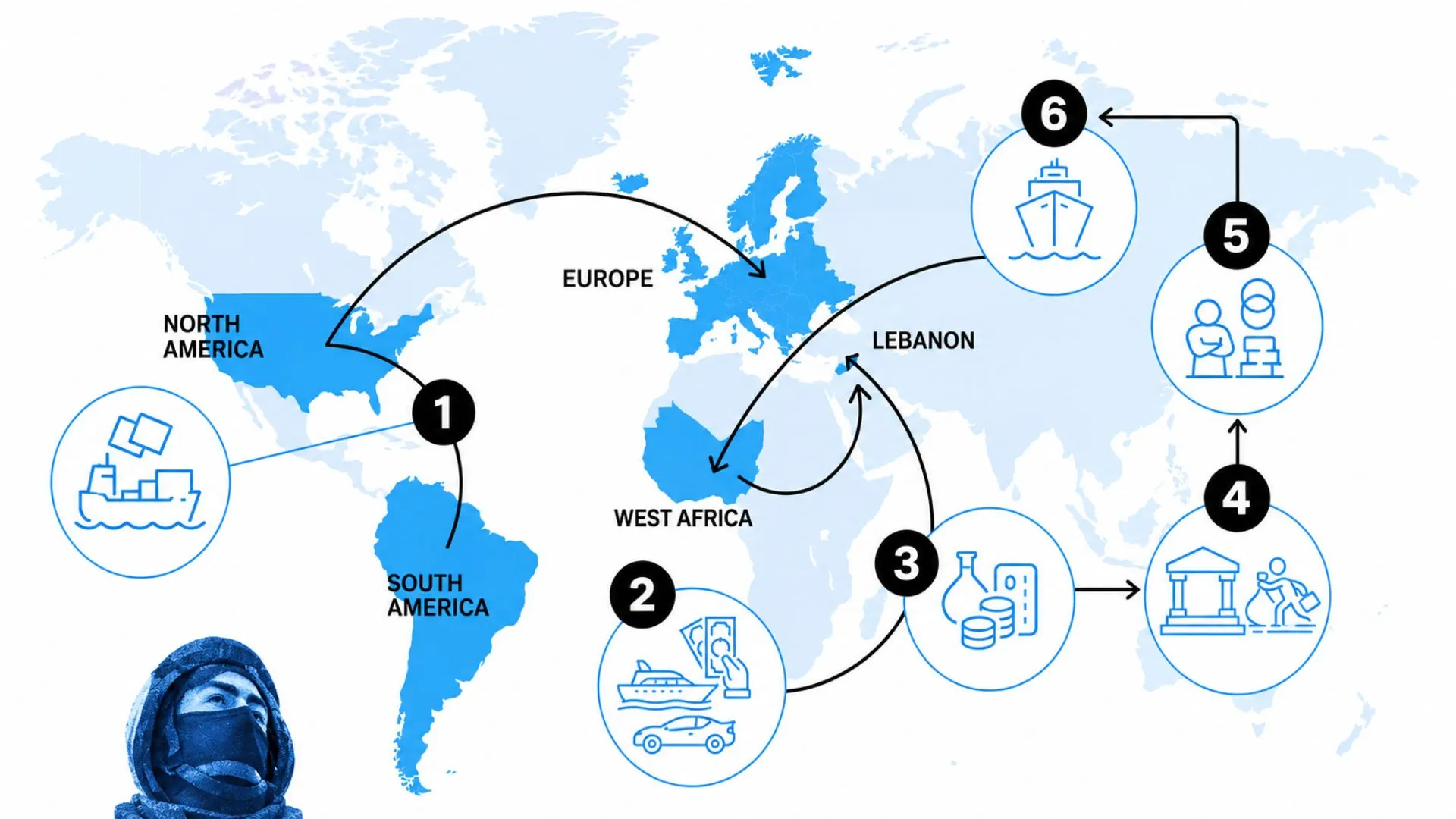
Hezbollah's alleged network exposes vulnerabilities in the art market, where the use of intermediaries and a lack of transparency can enable financial crime. Galleries must implement robust compliance measures, including beneficial ownership checks and source of funds verification, to safeguard against exploitation by illicit actors.
In recent discussions surrounding financial crime in various sectors, the art market has emerged as a notable focal point, particularly concerning the alleged activities of Hezbollah. A recent report by the Austrian Fund for the Documentation of Religiously Motivated Political Extremism, highlighted by Arab News, outlines an intricate web of financial networks allegedly employed by Hezbollah to exploit Europe's legal gaps and fragmented regulations. This development raises significant concerns for art galleries, dealers, and auction houses about potential risks and the need for robust compliance mechanisms within the art market.
The art market's unique characteristics make it particularly vulnerable to exploitation by criminal actors. As the Arab News article indicates, Hezbollah-linked networks may engage not only with overtly criminal entities but also with professional intermediaries such as accountants, lawyers, and art dealers. For galleries, this represents a serious warning: the very attributes that make art transactions appealing—discretion, international relationships, and subjective pricing—also present potential vulnerabilities. A transaction could appear legitimate, while underlying factors like the true source of funds, beneficial ownership, or the purpose of the purchase might remain obscured.
Art, Diamonds, and the Concealment of Ownership
A crucial aspect of the report underscores how criminal networks exploit weaknesses in regulatory frameworks to mask illicit transactions. Lina Khatib, a co-author of the report, pointed out that high-value items like artworks and diamonds could be manipulated through inflated pricing and hidden ownership structures. This illicit practice allows for the seamless movement of money under the guise of legitimate high-end commerce, drastically complicating the tasks of compliance for galleries.
The importance of beneficial ownership checks cannot be overstated. In high-value transactions, the named buyer may not always be the person with ultimate control. This could involve companies, advisers, or intermediaries acting on behalf of undisclosed beneficial owners. Without an effective process to uncover these underlying connections, art dealers could be unwittingly exposed to serious financial crime risks.
The Nazem Said Ahmad Case: A Cautionary Tale
The case of Nazem Said Ahmad, depicted in the Arab News article, serves as a stark illustration of the challenges facing the art world. Described as a prominent money launderer with ties to Hezbollah, Ahmad allegedly stored substantial personal funds in high-value art to evade U.S. sanctions and operated an art gallery in Beirut as a laundering front. The reported worth of his art collection, featuring masterpieces from Picasso and Warhol, stands as a chilling reminder of how art can be exploited as a vehicle for concealing wealth and laundering money.
This emphasizes the necessity for sanctions screening that goes beyond simple name checks during transactions. High-value art can serve as an easily transferable store of wealth, complicating matters for galleries when dealing with transactions that might involve complex ownership or funding structures. Operating in the art market means understanding not just the immediate client, but also the broader context of ownership and control involved in each transaction.
The Unwitting Role of Art Dealers
Notably, the Arab News report highlights that not every facilitator involved in these networks is fully cognizant of their role. Some actors may unintentionally participate as unwitting gatekeepers, while others may be outright criminals. This ambiguity poses significant risks within the relationship-driven environment of the art industry, where discretion is highly valued.
Due diligence must remain a priority, even amidst the complexities of long-standing client relationships and perceived trust. Implementing customer due diligence software can help galleries maintain a consistent, structured process for client onboarding, identity verification, and beneficial ownership reviews. Ultimately, fostering trust in business relationships should be accompanied by clear documentation that protects both parties.
The Importance of Source of Funds and Source of Wealth Checks
The ability of illicit funds to navigate through seemingly legitimate commercial channels underscores the critical need for source of funds checks in art transactions. Galleries must grasp the origins of the money involved, ensuring that the payment aligns with the stated purpose. This becomes ever more essential when third parties or high-risk jurisdictions are involved, necessitating further scrutiny into the source of wealth used for purchases.
To streamline this process, the implementation of AML software for art galleries becomes indispensable. Relying on manual processes and scattered documentation can be detrimental in providing evidence for regulatory inquiries. A well-organized AML audit trail enables galleries to respond effectively when needed, demonstrating that they conducted due diligence on each transaction.
How KYCProtect Assists Art Dealers
KYCProtect is purpose-designed to help galleries and art dealerships navigate the complexities of compliance without hindering the essential personal touch that characterizes the art market. Our platform seamlessly integrates key compliance measures while ensuring practical ease of use—facilitating client onboarding, customer due diligence, sanctions screening, and record-keeping.
By switching from manual compliance processes to digital KYC solutions, galleries can consolidate critical client information, ownership records, and legal documentation in one secure location. For high-risk cases, KYCProtect supports thorough enhanced due diligence workflows, equipping teams with the tools to trace ownership and funding sources, especially when dealing with intricate structures or international buyers.
Conclusion
The concerns raised regarding Hezbollah’s alleged financial networks signify a vital issue for the art market. Art, while fundamentally a cultural asset, can also serve as a mechanism for transferring and obscuring value illicitly. Galleries and dealers must remain vigilant, ensuring they properly understand the nuances of each transaction and the potential implications behind them.
KYCProtect equips art businesses with structured, discreet compliance solutions, enabling them to protect their reputations while continuing to operate with the trust that defines this unique market. Visit our website to learn how KYCProtect can help your gallery operate with confidence.