Navigating the 2026 EU Single Rulebook for Cross-Border Sales
Beyond the UK
Emil Björck
Founder & AML Specialist · Reviewed by the KYCProtect Compliance Team
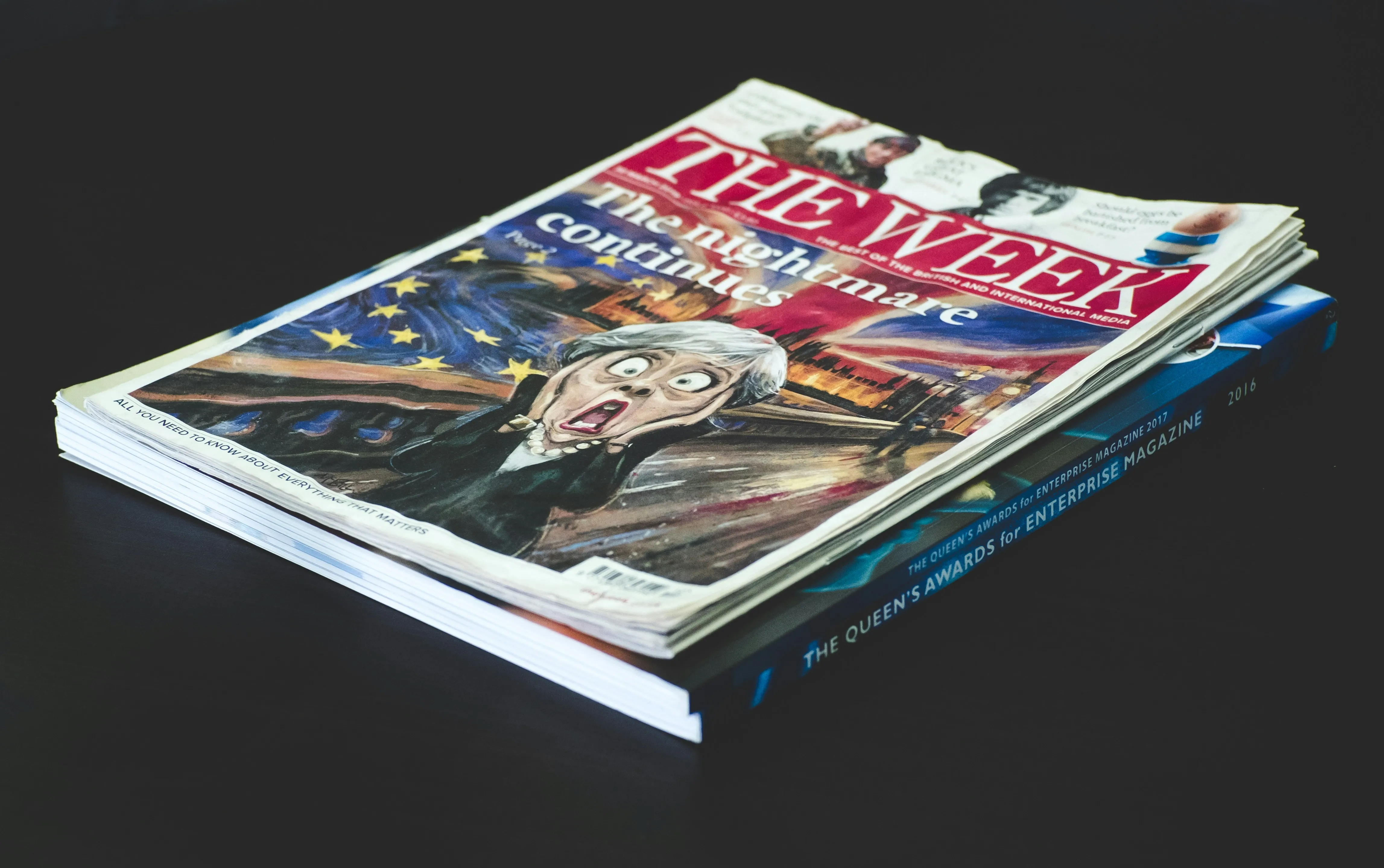
A technical manual detailing international transactional execution for cross-border art trade, with a direct focus on navigating multi-country client onboarding protocols, tracking member-state evidence gaps, managing compliance friction points, and establishing operational readiness across diverse jurisdictions.
Cross-border art sales have always looked smoother from the outside than they feel from the inside. The deal may appear simple: a buyer in one country, a gallery in another, a payment through a corporate account, a shipping route across Europe. But once anti-money laundering duties enter the picture, that apparent simplicity disappears. The more jurisdictions involved, the more exposed the business becomes to inconsistent assumptions, weak documentation, and delayed escalation.
That is why the 2026 EU Single Rulebook matters so much. It does not remove every local difference overnight, but it changes the direction of travel. Art businesses can no longer assume that a domestic-first workflow stretched across borders will remain good enough. The market is moving toward stronger harmonisation in how due diligence, risk assessment, and evidence are interpreted.
What the Single Rulebook Changes
The Single Rulebook matters because it reduces the comfort of fragmentation. For years, many art businesses handled cross-border compliance through a mix of local familiarity, adviser support, and internal judgment. That model created flexibility, but it also created inconsistency. One client might be onboarded quickly because the structure felt familiar. Another might face heavy scrutiny simply because staff were less comfortable with the jurisdiction.
A more harmonised framework pushes firms toward a different model: consistent logic, visible risk reasoning, and more structured evidence.
That is especially important for cross-border sales because these transactions often carry the exact characteristics that increase complexity: legal entities, intermediaries, advisors, split operational roles, and payment pathways that do not align neatly with the named buyer.
The Four Friction Points in Cross-Border Art Sales
The first friction point is identity and entity verification. The business needs to understand who the client is, whether they are acting for themselves, and who ultimately owns or controls an entity if one is involved.
The second friction point is jurisdiction. Cross-border files are often treated too casually if the counterparty comes from a familiar market or too nervously if the staff are less confident with the country involved. Neither reaction is a substitute for a structured process.
The third friction point is documentation. A cross-border file usually requires better explanation because the relationship between the parties, the payment route, and the shipment may be less straightforward than in a domestic transaction.
The fourth friction point is escalation. When something feels off, the business must know who reviews the issue, what extra evidence is required, and how the decision is recorded.
Why This Is Not Just a Legal Story
Many businesses still treat the Single Rulebook as a legal development to be monitored by advisers. That is too narrow. It is also an operational story. The success or failure of cross-border compliance depends on whether the workflow can absorb more structured expectations without collapsing under friction.
This is why the topic matters commercially. Firms do not merely want to know that rules are changing. They want to know how to keep moving across borders without turning every file into a compliance bottleneck.
Member-State Friction Still Matters
The Single Rulebook does not eliminate member-state specificity. Germany, France, and Italy still present practical differences in legal forms, language, registry use, reporting culture, and internal confidence. That means art businesses still need country-specific fluency even while the broader framework harmonises.
This is exactly where generic cross-border compliance content often fails. It talks about Europe as if it were uniform, which leaves businesses without practical help when they meet a German company, a French reporting term, or an Italian ownership structure in a live transaction.
What Cross-Border Readiness Should Look Like
Cross-border readiness starts with a common baseline. Every client should pass through a consistent core process for identity, entity review, ownership, sanctions screening, and risk logic.
On top of that, the business should add member-state playbooks. These help staff interpret local structures, understand likely friction points, and know when extra review is necessary.
The process should also be designed for documentation. Cross-border files should be easier to explain, not harder. If a reviewer later asks why a transaction was accepted, the answer should already exist in the file.
Final Takeaway
The 2026 Single Rulebook is not a distant legal abstraction for art businesses. It is a practical challenge to the way cross-border sales are currently handled. The firms that succeed will be the ones that replace fragmented jurisdiction-by-jurisdiction improvisation with a more coherent EU-native operating model.