Russia Sanctions and the Art Market The Hauser & Wirth Case Every Gallery Owner Should Watch
Understanding Sanctions Compliance in the Art World
Emil Björck
Founder & AML Specialist · Reviewed by the KYCProtect Compliance Team
The Hauser & Wirth case could redefine sanctions regulations in the art market, emphasizing the need for galleries to strengthen compliance measures. As risks escalate, art dealers must adapt operations to prevent legal exposure and ensure adherence to evolving regulations.
As the global art market continues to navigate the complexities of international relations, a pivotal case involving the established mega-gallery Hauser & Wirth is set to redefine the landscape of sanctions regulations within the sector. The backdrop of this case is the imposition of significant sanctions by the UK in response to Russia's invasion of Ukraine, aimed at curbing luxury goods transactions with individuals and entities linked to Russia. This legal battle could have profound implications for galleries and dealers worldwide, especially as the outcome might clarify the application of UK sanctions laws to artworks and cross-border transactions.
The ongoing investigation, initiated by HM Revenue & Customs (HMRC), marks what could be the first criminal corporate prosecution under the Russia (Sanctions) (EU Exit) Regulations 2019 in relation to art. These regulations outlaw the provision of luxury goods valued above £250 to any person connected with Russia, a category that extends to artworks. With the Russian invasion of Ukraine triggering a wave of sanctions, the legislation was introduced in April 2022 as part of a broader international effort to deter the financial impact of the conflict.
The sanctions are serious; violations can lead to unlimited fines for companies and potential prison sentences of up to six months for individuals found guilty of breaches. Given these high stakes, the implications of this case resonate far beyond Hauser & Wirth and could establish critical precedents affecting the art market’s future.
The Allegations
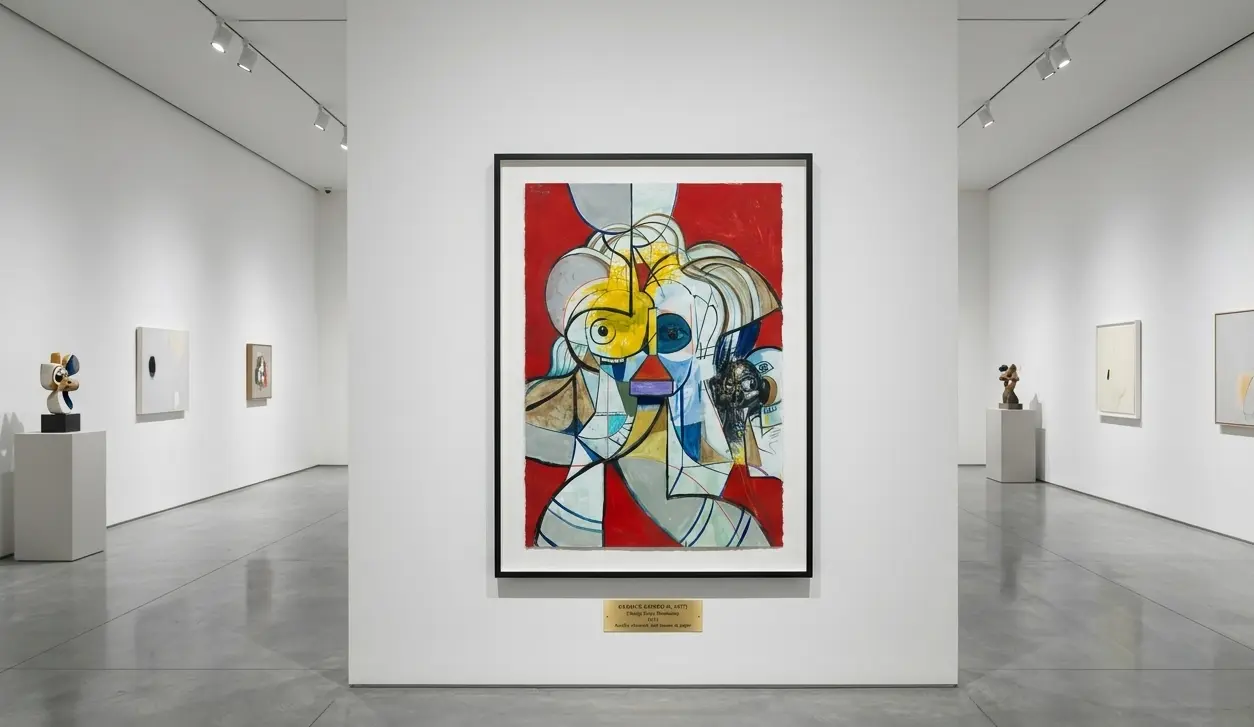
Prosecutors assert that in the period between April and December 2022, Hauser & Wirth made George Condo's artwork *Escape from Humanity* available to a collector with ties to Russia. Notably, the involved collector is reportedly not a sanctioned individual, yet the law’s scope extends to transactions with "persons connected with Russia," which encompasses an array of individuals and entities operating on a global scale.
Hauser & Wirth has firmly denied any wrongdoing and plans to plead not guilty, emphasizing their commitment to compliance. Simultaneously, the art logistics firm Artay Rauchwerger Solomons—facing similar allegations regarding the transport and handling of artworks during the same timeframe—has been navigating its own legal challenges, including voluntary liquidation in 2024.
A Growing Compliance Burden for Art Market Participants
The case against Hauser & Wirth underscores the rapid expansion of regulatory frameworks governing the art market in the UK. Since 2021, galleries, auction houses, and art advisors are classified as Art Market Participants (AMPs) and must comply with anti-money laundering oversight from HMRC. Over 90 art businesses have faced regulatory enforcement actions in recent years, with this number likely to grow under heightened scrutiny.
The regulatory landscape is further complicated by new requirements established in May 2025, which mandate AMPs to report any suspected sanctions violations to the Office of Financial Sanctions Implementation (OFSI) for art transactions exceeding €10,000. As a result, art market participants must enhance their compliance protocols to avoid jeopardizing their operations.
Hidden Risks in International Art Transactions
One of the critical lessons emerging from this case is the hidden risks associated with international art transactions. Authorities warn that compliance breaches can occur even when a transaction does not involve a Russian entity directly. Risks abound when selling artwork to:
- Russian-owned companies operating outside Russia
- Collectors using intermediaries that may obscure ownership
- Trusts or foundations linked to Russian ownership
Regulators have particularly highlighted concerns about transactions emanating from Central Asia and other regions where Russian businesses might operate through subsidiaries. This international complexity reinforces the necessity for galleries to engage in comprehensive sanctions screening and beneficial ownership verification.
Why Gallery Owners Should Pay Attention
Regardless of its outcome, the Hauser & Wirth case signals a watershed moment in understanding sanctions compliance within the art sector. Art transactions can no longer be viewed as isolated events; they must be treated with the same diligence and scrutiny as high-value financial activities. Gallery owners need to integrate compliance into every facet of their operations, which entails:
- Regularly screening collectors and intermediaries against sanctions lists
- Verifying the beneficial ownership of clients and third-party entities
- Monitoring cross-border shipping and logistical operations closely
- Reporting any suspicious transactions to regulatory authorities
As regulatory scrutiny intensifies across luxury goods markets, art dealers that neglect robust compliance measures may expose themselves to significant legal liabilities. Ultimately, the Hauser & Wirth case may lay the groundwork for interpreting sanctions regulations in the global art trade, guiding how galleries operate in an increasingly regulated environment.
In an era where compliance is closely intertwined with the art market, staying abreast of regulatory changes is critical. Visit our website to learn how we can help you navigate KYC regulations and ensure your gallery is compliant with the latest sanctions and anti-money laundering requirements.