The AMLA RTS Deadline
What Happens After May 8 and Why Galleries Should Prepare Now
Emil Björck
Founder & AML Specialist · Reviewed by the KYCProtect Compliance Team
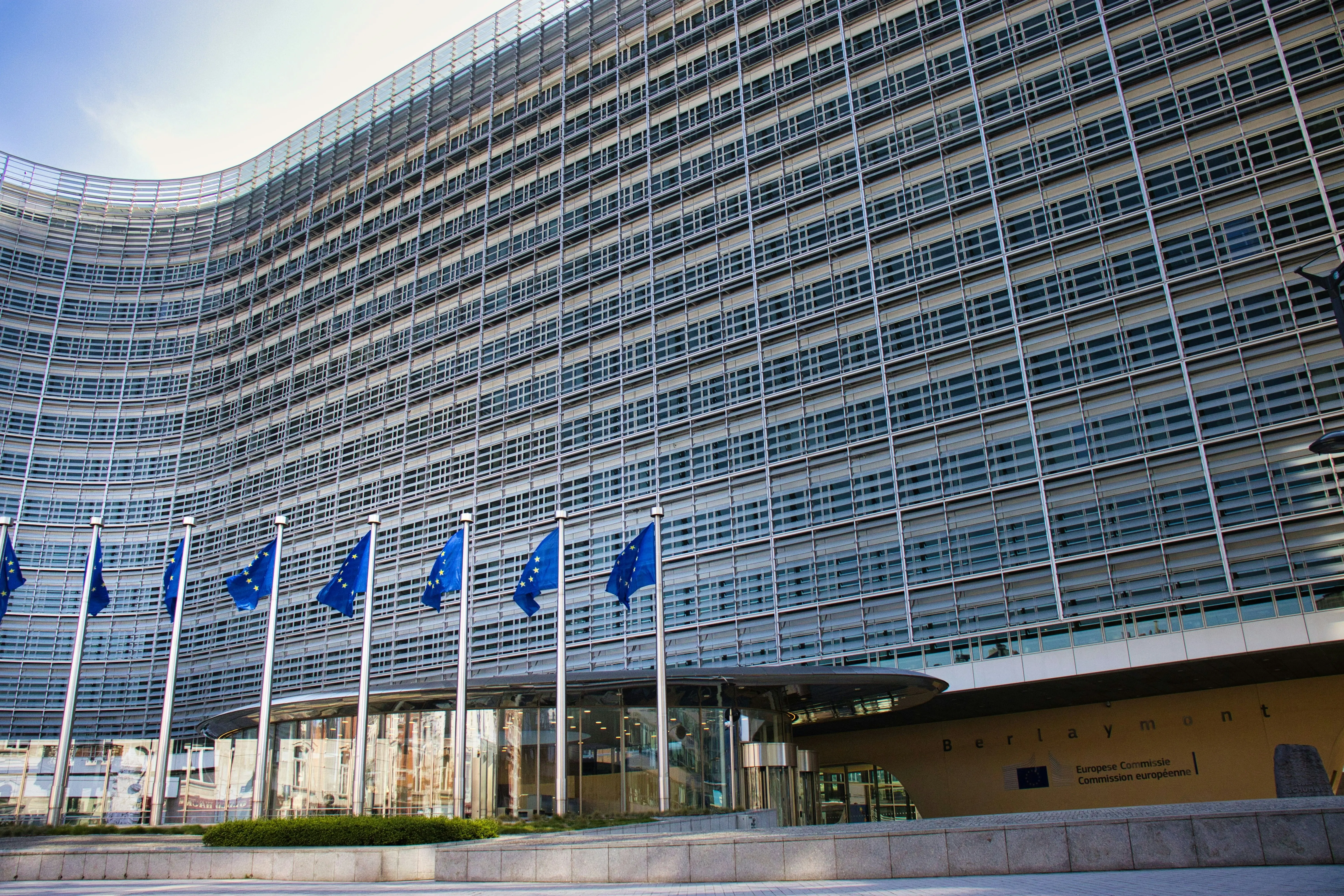
A practical guide to the 8 May 2026 AMLA consultation deadline on the new customer due diligence RTS, including what galleries should expect next and how to prepare for the final harmonised EU template before the market catches up.
The 8 May 2026 consultation deadline on AMLA’s draft customer due diligence RTS is one of those regulatory dates that looks procedural until you understand what comes next. For galleries, art advisors, auction-side intermediaries, and cross-border sellers, the real risk is not the deadline itself. The real risk is assuming that the period before finalisation is still a safe time to wait.
It is not.
AMLA’s draft RTS under Article 28(1) of Regulation (EU) 2024/1624 is explicitly about how customer due diligence should be applied in more detail across the European Union, including the information and documents to be collected. That means the practical impact is not abstract. It reaches directly into onboarding, legal-entity review, beneficial ownership, remote verification, ongoing monitoring, and record quality.
For art businesses, this matters because the next phase of EU AML regulation is not simply about knowing the rules. It is about whether the business can operationalise a more harmonised standard without turning every high-value sale into a compliance bottleneck.
Why the Deadline Matters Even Before the Final Text
Some firms make the mistake of treating consultation windows as policy theatre. They assume the practical work only begins once the final standard is published. That approach is risky in this case because AMLA’s consultation already reveals the direction of travel clearly enough for firms to begin adapting now.
The customer due diligence RTS exists to specify how obliged entities should apply the CDD requirements in the Anti-Money Laundering Regulation. In other words, the market is moving away from overly loose or overly local interpretations and toward a more structured European template. If your current onboarding model is informal, thinly documented, or too dependent on staff instinct, then you do not need to wait for a final PDF to know where the pressure will land.
The same logic applies to providers. If a compliance tool still treats EU onboarding as little more than internationalised document collection, then the consultation period is not breathing space. It is an early warning.
What Happens After 8 May
After 8 May, AMLA moves from open consultation and public feedback into evaluation, refinement, and eventual final drafting. Stakeholder input will shape legal clarity, proportionality, and sector-specific practicality, especially for non-financial obliged entities. But the market should not confuse that stage with uncertainty about the broader outcome. The clear trend is toward harmonised customer due diligence logic and more explicit expectations around the data, documents, and verification flows firms must rely on.
That is why the period after the deadline should be treated as preparation time, not as downtime. Smart firms will use it to stress-test their processes. Weaker firms will assume they can patch things later.
Why Galleries Cannot Wait for the Final Template
The art market sits in the worst possible place for passive delay. Transactions are cross-border, relationship-driven, time-sensitive, and often mediated through legal entities, advisors, or family-office structures. A gallery can move from casual buyer interest to high-value financial exposure quickly. If the due diligence process is weak, the file will only become harder to repair once the client expects speed and the commercial pressure is already high.
That is why galleries should prepare for the final harmonised template now by asking hard questions about current workflow.
Can the business explain what information it collects and why?
Can it distinguish clearly between standard, simplified, and enhanced diligence situations?
Can it document why a legal entity file was accepted?
Can it show how remote verification fits into a risk-sensitive process rather than acting as a convenience-only shortcut?
If those answers are uncertain, the problem is already present.
The Four Preparation Moves That Matter Most
First, review onboarding data fields. A harmonised European approach will increase the value of structured, consistent input fields and decrease tolerance for improvised free-text compliance logic.
Second, tighten legal-entity handling. Basic registry checks are not enough if the business cannot explain ownership and control properly.
Third, improve escalation logic. Higher-risk files should not depend on whichever staff member happens to spot the issue first.
Fourth, review evidence quality. A better European standard will not reward vague confidence. It will reward visible reasoning and defensible records.
Final Takeaway
The 8 May 2026 deadline matters because it marks the end of the easiest phase of preparation. Once the consultation closes, the direction of travel is no longer debatable. The market is moving toward a more harmonised and evidence-driven customer due diligence standard.
Galleries that prepare now will find the final transition manageable. Galleries that wait will discover that the hardest part is not reading the standard. It is rebuilding their workflow under commercial pressure once the harmonised model has already become the new benchmark, something KYC Protect helps galleries with on a daily basis.
Key Terms
- **AMLA:** The Authority for Anti-Money Laundering and Countering the Financing of Terrorism.
- **RTS:** Regulatory Technical Standards.
- **Article 28(1):** The AMLR mandate for detailed customer due diligence standards.
- **AMLR:** Regulation (EU) 2024/1624.
- **CDD:** Customer Due Diligence.
- **Harmonised Template:** A more uniform EU-wide operational approach to required data and verification steps.
- **Obliged Entity:** A business subject to AML/CFT obligations under the EU framework.