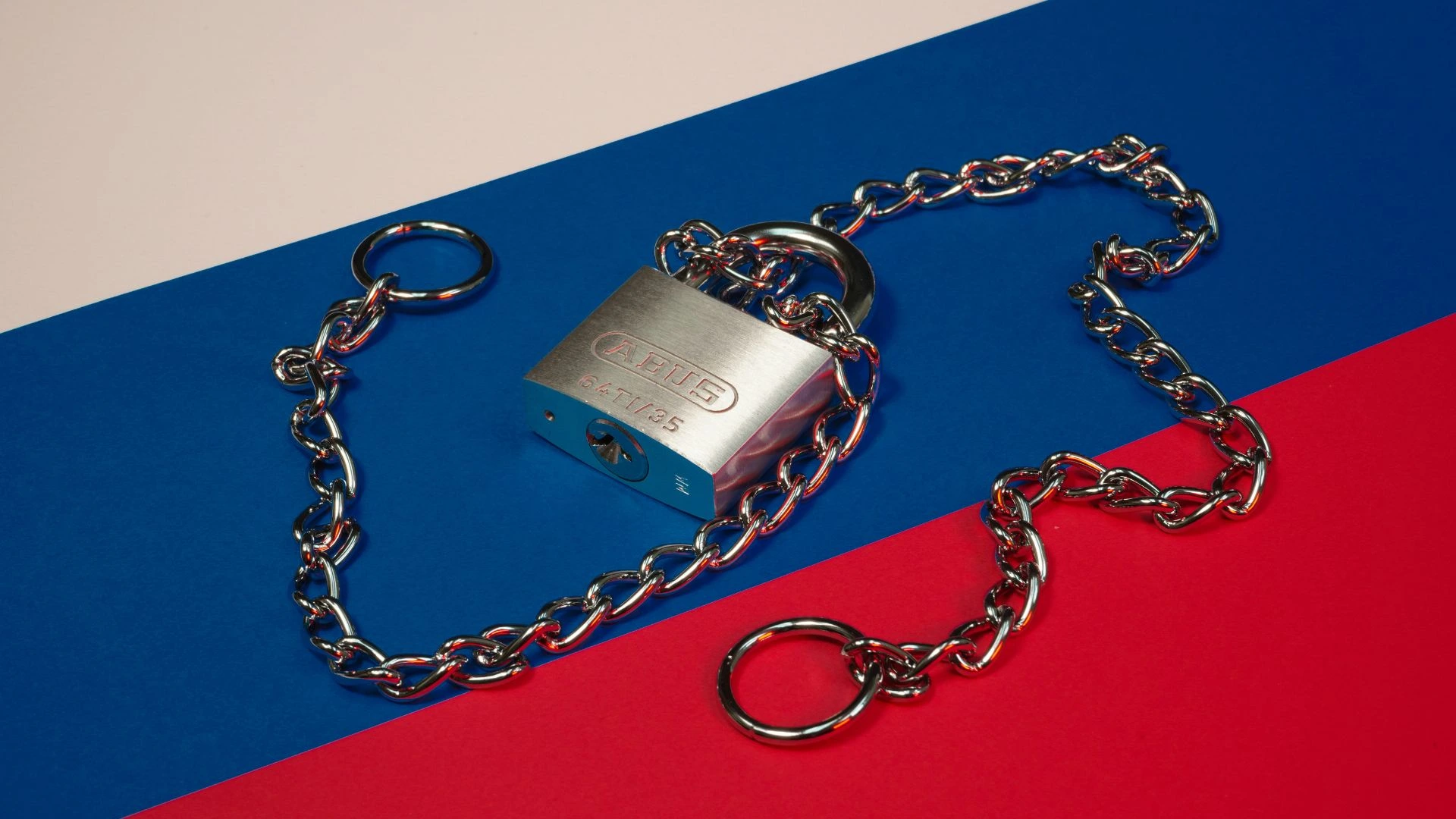
The Friction of Global Expansion: Navigating Trade Fragmentation in the Contemporary Art Market
Streamlining Compliance in a Complex Global Art Market
The contemporary art market faces significant challenges due to increased trade barriers and compliance complexities. With over 50% of galleries reporting higher administrative burdens, digitized solutions like KYCProtect are essential for seamless international transactions.
In recent years, the contemporary art sector has thrived on a globalized market that allowed for the seamless exchange of cultural property across borders. However, looming macroeconomic shifts are beginning to unravel this framework. Research from The Art Basel and UBS Art Market Report 2026, led by cultural economist Dr. Clare McAndrew, reveals that the global trade infrastructure is facing significant friction. As regional economies adopt more protective legal, fiscal, and regulatory measures, art galleries are confronted with a new set of challenges that could disrupt their competitive edge.
The Art Basel report highlights that 56% of art dealers worldwide indicated that tariffs and cross-border trade barriers adversely affected their commercial activities. This isn't merely a statistical anomaly; it signals a profound transformation in how art transactions are conducted. The report elucidates that the impact of these trade barriers extends well beyond simple customs tariffs.
- Higher ancillary costs: A robust 72% of dealers reported heightened ancillary expenses, which include:
- Direct costs from increased duties: About 65% of those surveyed were grappling with elevated duties and taxes as barriers to executing sales internationally.
- Shipping fees
- Customs agent costs
- Specialized insurance premiums
As the financial landscape becomes more complicated, these costs not only eat into profit margins but also discourage potential international buyers who once saw the art market as an accessible avenue for investment.
Navigating Administrative Burdens
Perhaps the most troubling aspect of these challenges is the rising administrative complexity involved in cross-border transactions. More than half (over 50%) of the surveyed dealers cited increased procedural demands and administrative burdens as a direct consequence of the evolving regulatory environment. These complexities are fueled by stringent international Anti-Money Laundering (AML) mandates, requiring art galleries to verify:
- Physical identities
- Corporate registrations
- Ultimate beneficial ownership (UBO) of international clients
This multi-layered verification process places an enormous strain on gallery operations. The bureaucratic maze slows down transaction speeds precisely when logistics are under stress. Delays due to slow client vetting can ultimately lead to transaction cancellations, which tarnishes client relationships and adversely affects sales.
The New Reality Post-Brexit
The ramifications of this global trade friction are particularly pronounced for galleries operating with European artists post-Brexit. Many dealers report that the costs of importing and exporting art to and from the UK have become prohibitively high. One dealer eloquently expressed this sentiment in the report:
*"The cost to import and export into and from the UK for our European-based artists since Brexit has had a significant effect on shipping costs. Shipping to and from the US also seems significantly higher and makes certain decisions prohibitive."*
Such statements underscore the necessity for galleries to adapt to a new reality where logistic decisions are heavily influenced by the escalating costs and complexities of international trade.
Embracing Technology to Thrive
Given these challenges, it is crucial that galleries take a proactive approach towards compliance and transaction management. The current landscape demands that compliance is not an afterthought but an integral part of the sales process. Enabling this requires next-generation solutions that can mitigate the friction caused by administrative responsibilities.
KYCProtect emerges as a formidable ally for galleries facing these new hurdles. By digitizing international customer due diligence (CDD) processes, KYCProtect streamlines the verification required for cross-border transactions. Features of the platform include:
- Automated onboarding links: Clients can directly engage with a secure, automated process.
- Comprehensive verification: The platform verifies global passports and extracts complex beneficial ownership structures within seconds.
- Dynamic compliance checks: KYCProtect cross-references buyers against dynamic international sanctions lists, ensuring galleries remain compliant in real-time.
By automating these burdensome administrative tasks, KYCProtect eliminates unnecessary lag, allowing art dealers to focus on curating exceptional exhibitions and strengthening client relationships rather than mired in paperwork.
Conclusion
The landscape of the contemporary art market is rapidly changing, driven by a myriad of macroeconomic factors that introduce new complexities and challenges. While the friction of global expansion seems daunting, technologies such as KYCProtect provide galleries with the tools they need to navigate this uncertainty effectively. By streamlining compliance and enhancing operational efficiency, galleries can once again focus on their core mission: connecting collectors with art that resonates with them.
Visit our website to learn how KYCProtect can help your gallery operate with confidence.