UK Financial Sanctions Guidance for Art Market Participants: What the New Rules Mean for Galleries, Dealers and Auction Houses
Navigating New Compliance Obligations in the Art World
The UK's new financial sanctions guidance mandates that art market participants implement robust compliance measures by May 2025. This includes due diligence, sanctions screening, and record-keeping to mitigate risks associated with high-value art transactions.
The UK Government’s recent update to its financial sanctions guidance for High Value Dealers and Art Market Participants marks a significant change for art market operations. Published by the Office of Financial Sanctions Implementation (OFSI), the guidance mandates that galleries, art dealers, auction houses, and storage providers must integrate financial sanctions compliance into their daily operations. Starting from May 14, 2025, these entities will be classified as “relevant firms” and subject to stringent financial sanctions reporting obligations. This shift emphasizes the need for art businesses to actively engage in risk assessment, due diligence, and thorough record-keeping to remain compliant.
Art galleries and dealers will now have to navigate a complex compliance landscape as part of their everyday activities. The UK, renowned for being a leading hub in the global art market, generated USD 11.05 billion in art sales in 2023, highlighting its significance in the sector. This vast market not only poses lucrative opportunities but also exposes businesses to potential financial crime and sanctions risks. For galleries and dealers, it is crucial to recognize that compliance is no longer an optional endeavor—it is an integral part of operating within this dynamic environment.
To comply, art businesses must identify and manage sanctions risks proactively. OFSI outlines several practices indicative of potential sanctions evasion, such as:
- Unclear sources of payment
- Use of offshore accounts
- Concealed beneficial ownership
- Involvement of intermediaries or shell companies
Given the multi-faceted nature of art transactions, which can involve various parties—from collectors to advisers—understanding each aspect of a transaction becomes imperative.
Implications of the New Guidance
The legislation outlined in the new guidance specifies that an Art Market Participant is generally any firm or sole practitioner registered with HMRC under the Money Laundering Regulations. Financial sanctions reporting obligations will apply if the business engages in the trading or storage of artworks with a value of £10,000 or more. This clear threshold underscores the necessity for effective Anti-Money Laundering (AML) software tailored specifically for the art market.
The transition to a more structured approach to compliance will no longer allow galleries and dealers to rely on haphazard methods of record keeping or manual processes. Businesses will need to ensure they can demonstrate their compliance efforts clearly, including how they vet clients and transact in high-value art.
Transitioning to Digital Compliance with KYC Protect
Many art businesses still depend on outdated manual methods for AML compliance, which can lead to significant inefficiencies and increased risk. KYC Protect offers a solutions-driven platform designed specifically for art market participants. By replacing cumbersome manual processes such as PDF forms and email chains, KYC Protect allows galleries to streamline the collection of important client information into a structured workflow.
This advanced AML compliance software benefits teams by enabling:
- Efficient client onboarding processes
- Structured risk assessments for various transactions
- Enhanced due diligence workflows for high-risk transactions
In essence, KYC Protect not only organizes the information collected but also clarifies the risk profile of each party involved in a transaction.
The Importance of Sanctions Screening and Beneficial Ownership Checks
A critical element of the updated guidance emphasizes the necessity of continual sanctions screening. Businesses must routinely check all relevant parties against the UK Sanctions List—not just during the initial client engagement but at multiple junctures throughout the transaction process.
Additionally, beneficial ownership checks become increasingly relevant, especially with the layered structures common in art transactions. KYC Protect allows for effective management of beneficial ownership information, ensuring that all documentation is preserved and easily accessible as part of a comprehensive transaction record.
Ensuring Clarity with Source of Funds and Wealth Checks
One of the underpinning principles of the guidance is the focus on ensuring clarity around the source of funds. Unclear payment sources are flagged as indicators of potential sanctions evasion, making source of funds checks an essential component of the compliance framework.
KYC Protect simplifies the collection, review, and documentation of source of funds and source of wealth, thereby supporting gallery teams in reducing uncertainty before proceeding with sales. This structure not only streamlines internal approval processes but also fortifies the business's position should HMRC conduct an AML inspection.
A Tailored Solution for Art Businesses
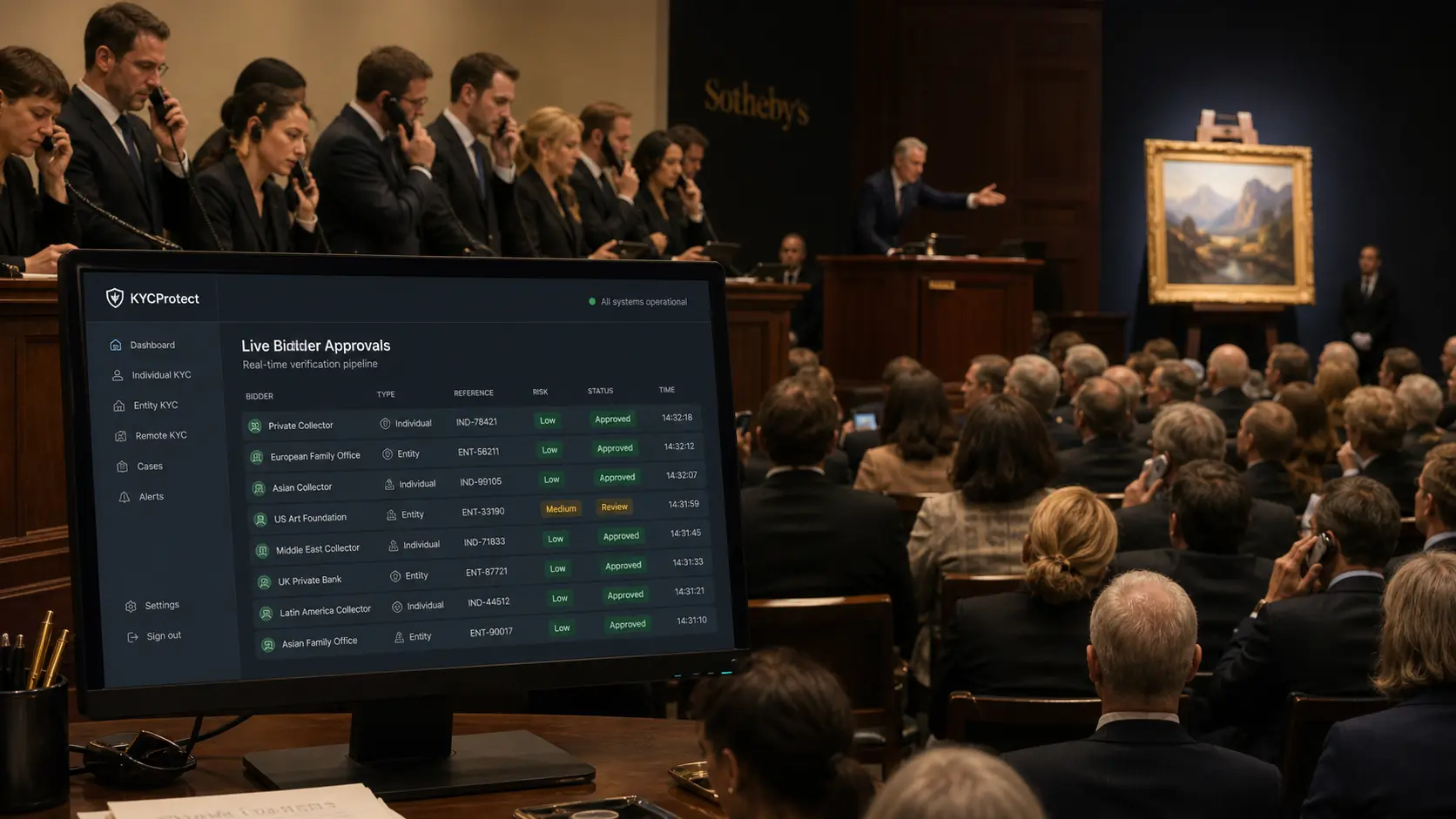
Different art market participants face a unique set of challenges. Galleries aim to maintain smooth client relationships while ensuring compliance, dealers navigate private collectors and entities, and auction houses manage high volumes and tight timelines. KYC Protect caters to all these needs, offering a unified compliance workflow that supports the specificities of art transactions.
This digitally integrated approach is designed to not only enhance compliance but also provide a seamless experience for teams engaged in complex art transactions. By facilitating a streamlined and structured compliance process, KYC Protect empowers art businesses to meet regulatory expectations without compromising the personal relationships that lie at the heart of the art market.
In conclusion, the UK Government’s updated financial sanctions guidance confirms that High Value Dealers and Art Market Participants face increasing responsibilities in managing sanctions risks. By implementing clear and effective processes for due diligence, sanctions screening, and robust record keeping, art businesses can safeguard against risks while adhering to regulatory standards. KYC Protect offers a specialized platform designed to assist galleries, dealers, and auction houses in navigating these obligations efficiently and effectively.
Visit our website to learn how KYCProtect can help your gallery operate with confidence.