When Is a Transaction Suspicious? What a €75M Investigation Reveals About AML Risk
Understanding how to navigate AML in the art world
Emil Björck
Founder & AML Specialist · Reviewed by the KYCProtect Compliance Team
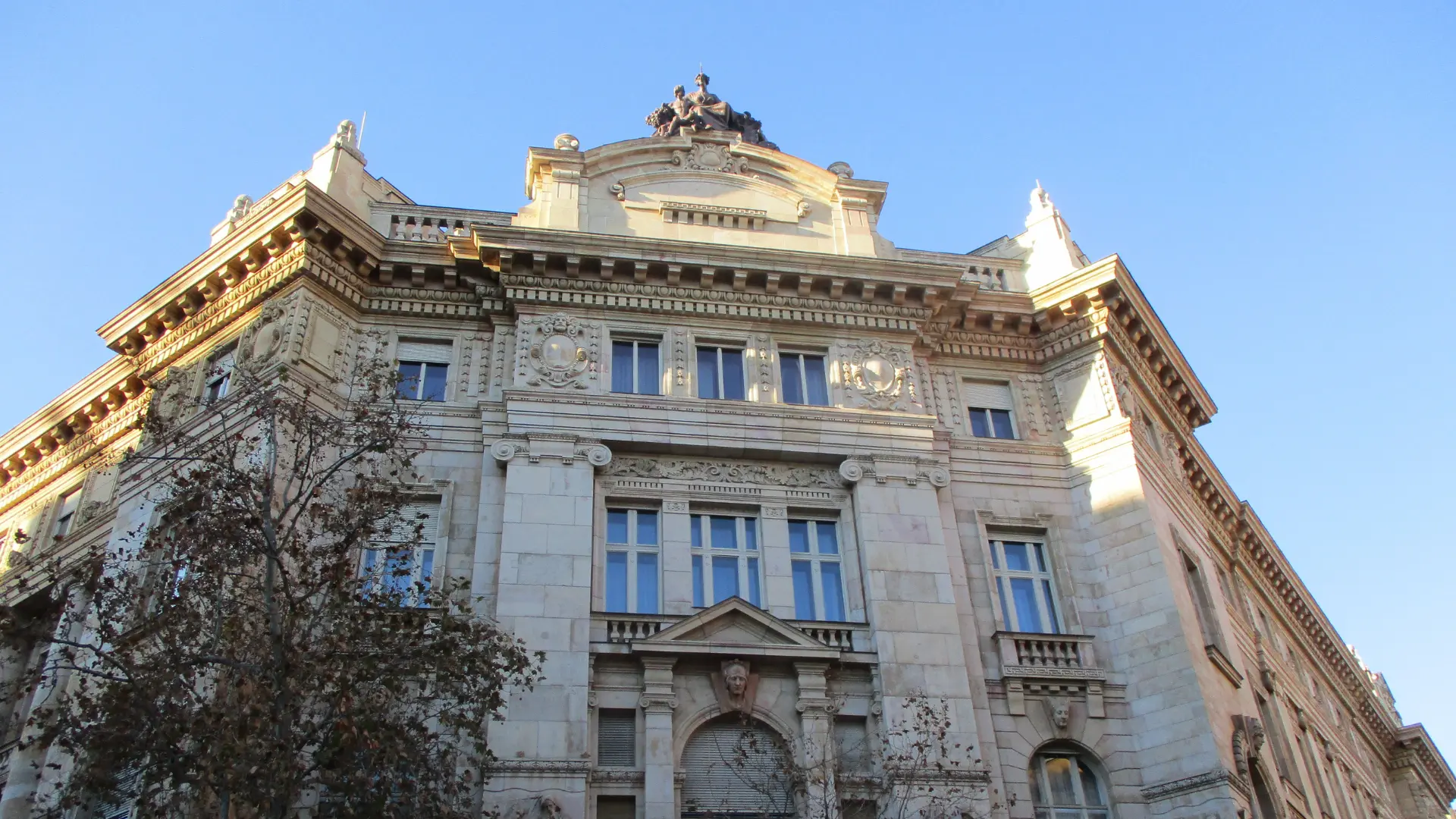
Recent investigations reveal that distinguishing legitimate from suspicious transactions is challenging, particularly in high-value, cross-border art sales. Effective AML strategies are crucial for maintaining compliance and protecting dealer reputations.
Recent news of a staggering €75 million cross-border investigation highlights a critical challenge in anti-money laundering (AML): the line between legitimate and suspicious transactions is often unclear. With authorities in Hungary claiming to have uncovered money laundering connected to a transfer involving Ukraine’s Oschadbank, the narrative becomes complex. The bank asserts that the transfer was indeed legal and in accordance with international agreements, showcasing the frequent tension between regulatory bodies and financial institutions.
This predicament isn’t just an abstract issue for the financial sector; it reflects a broader reality applicable to various industries, including the art market. AML is not just about identifying obvious criminal activity—it's about managing uncertainty.
The implications of this investigation resonate deeply within the art world. Although it may pertain to banking and government funding, the associated risks mirror those faced by art galleries and dealers globally. Art transactions frequently share characteristics that complicate their legitimacy:
- Cross-border transactions: Artwork often changes hands between buyers and sellers located in different countries.
- High-value items: Art pieces can command prices that raise red flags during financial scrutiny.
- Intermediaries: The involvement of multiple parties, like dealers and auction houses, further complicates the transaction.
- Trust-based relationships: Transactions in the art market are often built on trust instead of established formalized financial systems.
As noted in KYCProtect’s platform overview, many art businesses are still navigating how to implement AML processes effectively. This remains crucial in ensuring that institutions can operate within the bounds of legality and ethics.
The Real Issue: Lack of Visibility
In the recent investigation, the pertinent question transcends merely whether money laundering occurred. Key to understanding the situation are issues such as:
- Who verified the source of funds?
- What documentation exists to justify the transaction?
- How was the transaction monitored over time?
The lack of clear answers to these questions can render even legitimate transactions susceptible to suspicion. This ambiguity poses a significant risk in the art market, where the provenance and funding sources of high-value assets are often opaque.
The Same Risk Exists in the Art Market
A typical art transaction may involve multiple participants—such as a buyer in one continent, a dealer in another, and payment routed through a third-party. The absence of structured compliance frameworks in such transactions can lead to:
- Increased risk: Potential for money laundering or illicit funding often looms in the shadows.
- Decreased transparency: A lack of documented procedures enhances the chances of legitimate transactions appearing suspicious.
- Regulatory exposure: Non-compliance can lead to significant penalties or criminal charges against individuals and organizations.
In a sector where reputation is paramount, working without the necessary AML protocols can be detrimental.
From Uncertainty to Control
This is precisely where robust AML systems become indispensable—they are not merely bureaucratic formalities but critical tools for fostering clarity within complex transactions. Effective compliance efforts should focus on:
- Verifying client identity (KYC): Understanding who your clients are is foundational in establishing trust.
- Documenting the source of funds: This helps in protecting transactions and affirming legitimacy.
- Monitoring transactions over time: Ongoing scrutiny is essential to detect any anomalies or changes in behavior.
- Maintaining clear audit trails: This ensures that records are available for review should any questions arise regarding the transactions.
The goal here is not to block transactions but to protect them, creating a safeguard against both fraud and the accompanying reputational risks.
A Practical Approach for Galleries and Dealers
An inherent challenge within the art market is that many existing AML tools are predominantly designed for banks and financial institutions—not the unique needs of art galleries and dealers. This misalignment can create operational friction rather than facilitate ease of compliance.
To address this, KYCProtect is committed to providing solutions that:
- Integrate compliance seamlessly into existing workflows: This avoids the introduction of additional complexities and holds on existing processes.
- Reduce friction during transactions: A streamlined process enables dealers to maintain personal relationships rather than becoming ensnared in bureaucratic practices.
- Support discreet, relationship-driven transactions: This preserves the fundamental ethos of the art market—trust and confidentiality.
Conclusion
The recent investigation underscores a fundamental truth: in today's regulatory environment, perception matters just as much as reality. A transaction may be entirely legitimate—but without the proper structure and documentation, it can still raise significant concerns.
For the art market, the key takeaway is clear: AML is not solely about preventing crime—it is about proving legitimacy. This is essential for sustaining trust and ensuring the longevity of the industry.
Visit our website to learn how KYCProtect can help your gallery operate with confidence.