Why Beneficial Ownership is the New Passport in the 2026 Art Market.
Wire Transfers & the 'Travel Rule'
Emil Björck
Founder & AML Specialist · Reviewed by the KYCProtect Compliance Team
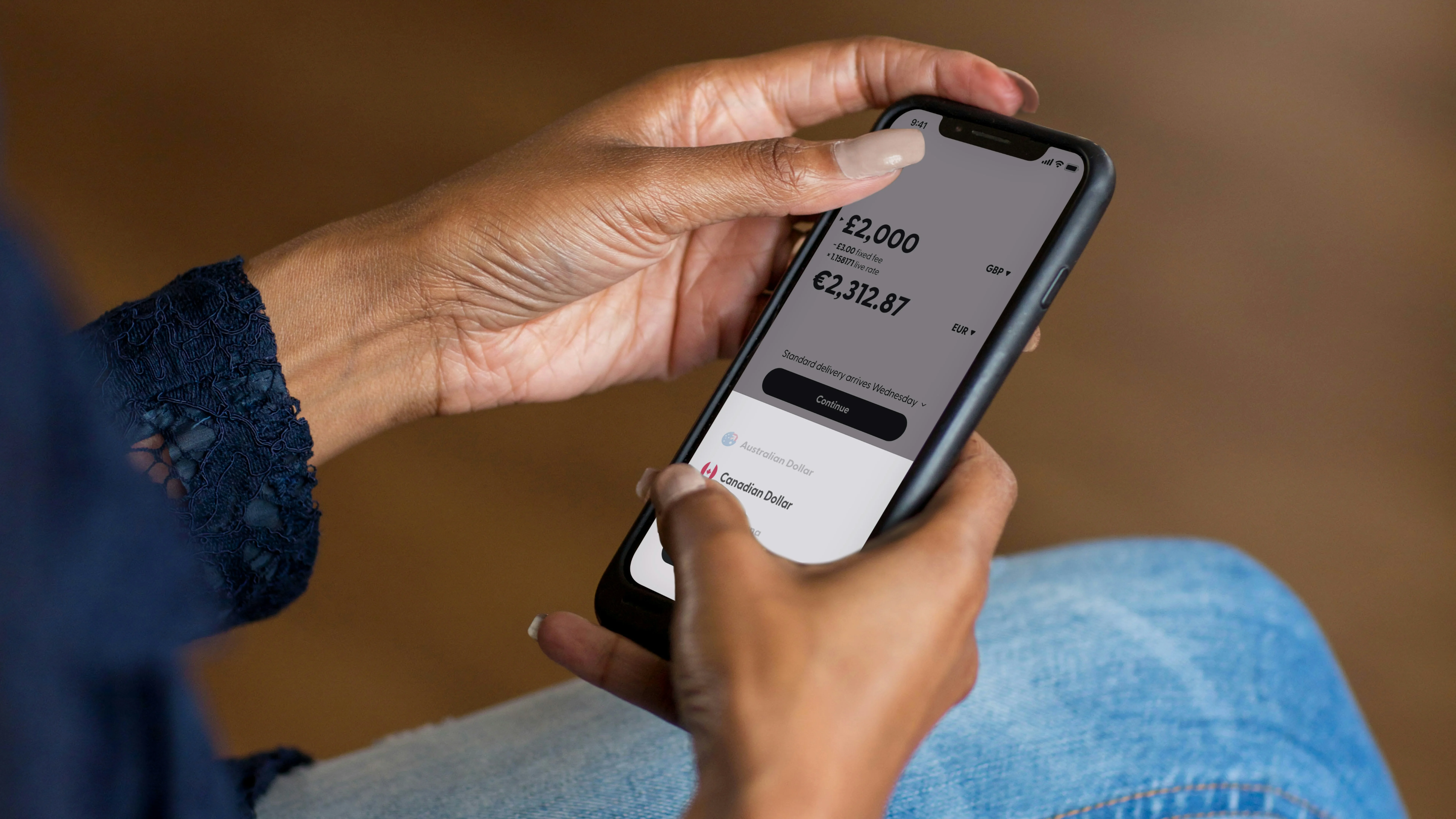
In the 2026 art market, the real "moment of truth" isn't the handshake or the invoice—it's the wire transfer. As global banks tighten transaction monitoring under strict updates to the Travel Rule, capital clearance relies entirely on immediate transparency regarding underlying cross-border payment pathways. When a high-value settlement stalls, it is almost always because the payment documentation is too weak to survive a clearing institution's internal wire compliance and sanctions filters.
The era of expecting a bank to simply "understand the market" is over. To ensure clean settlements, galleries must move beyond basic onboarding and toward Wire Readiness. This means documenting the "Why" behind the "Who," ensuring that payment instructions match the transaction narrative, and having a defensible evidence pack ready before the funds move. In 2026, the galleries that get paid the fastest are those that recognize that in a digital economy, trust increasingly follows the data.
Art businesses often think of compliance as something that happens before the invoice. Banks know better. For them, the real moment of truth is often the wire. That is where inconsistent names, weak ownership data, vague remittance instructions, and unexplained third-party payments become impossible to ignore.
The U.S. Travel Rule matters here because, under 31 CFR 1010.410, financial institutions handling transmittals of funds of $3,000 or more must retain and transmit specific originator and beneficiary information. The rule does not regulate galleries directly in the same way it regulates banks, but galleries feel it through the banking system. If the data and auditability around a payment is weak, the bank becomes the enforcer.
Why art-market wires trigger friction
High-value art deals routinely contain the elements banks dislike:
- urgent deadlines,
- international counterparties,
- payment by related but non-identical entities,
- intermediary involvement,
- and limited appetite from the client to explain ownership.
From a gallery perspective, that can feel like unnecessary delay. From a bank perspective, it is exactly the kind of situation where incomplete information can create sanctions, AML, and fraud exposure.
The UBO problem hiding inside the wire
The biggest misconception is that payment data alone is enough. It is not. When a bank sees a company sending a large cross-border wire for art, it increasingly wants comfort on who stands behind that company. If the gallery cannot explain the ownership chain, the commercial purpose, and the relationship between the payer and the buyer, the payment can stall.
This is why beneficial ownership is becoming the passport for money movement. It is not a theoretical compliance artifact. It is the difference between a clean settlement and a frozen transaction.
What banks want to see
Banks usually want consistency across five things:
- the name on the contract,
- the name on the invoice,
- the account sending the money,
- the shipping or delivery logic,
- and the identified beneficial owner.
If one or more of those fields diverges, the transaction may still be legitimate. But it now needs an explanation, and ideally a documented one.
A practical wire-readiness checklist
1. Confirm the payer before funds move. If the payer differs from the contracting party, document why.
2. Verify the beneficial owner of the paying entity. Do not rely on assumptions or relationship history.
3. Match payment instructions to the transaction narrative. The bank should not be seeing a different story than the gallery.
4. Prepare a compact evidence pack. Entity documents, IDs, ownership, sanctions screening, and rationale should be easy to retrieve.
The art world loves to say that money follows trust. In 2026, trust increasingly follows data. The gallery that can hand over a coherent transaction story will get paid faster than the gallery that expects its bank to "understand the market."