Between Trust and Transparency: Navigating KYC at PAD Paris 2026
Empowering galleries to thrive through compliance clarity
Emil Björck
Founder & AML Specialist · Reviewed by the KYCProtect Compliance Team
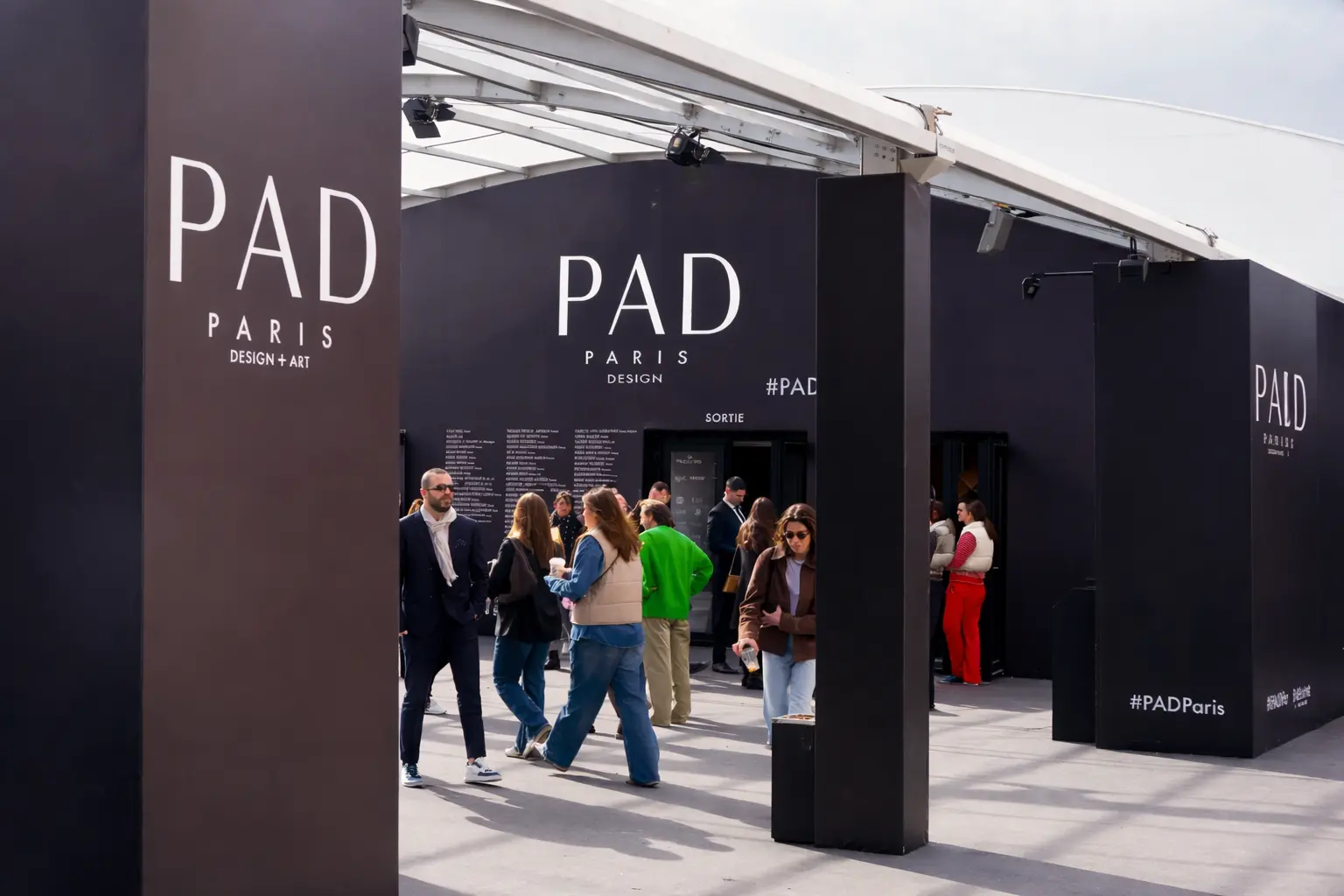
As PAD Paris 2026 brings galleries and collectors together for high-value international transactions, AML compliance has never been more important. KYC is not a barrier — it is a professional standard that protects galleries from regulatory and reputational risk, and KYCProtect makes it seamless.
The 2026 Fair Landscape: High Value, High Scrutiny
PAD Paris 2026 remains one of Europe’s most prestigious design fairs — four days in the Jardin des Tuileries where international galleries connect with serious collectors, execute high-value transactions, and forge lasting relationships.
However, the very qualities that make PAD Paris exceptional — international reach, rapid deal speeds, and a legacy culture of discretion — are precisely what draw regulatory focus under expanding UK and European Union frameworks.
The Regulatory Baseline
┌──────────────────────────────────────────────────────────────────┐
│  €10,000 TRANSACTION THRESHOLD
│  Client identity verification, source-of-funds (SoF) checks,
│  and audit-ready record keeping for any single or linked sale.   │
└──────────────────────────────────────────────────────────────────┘
Failure to meet these obligations carries steep regulatory fines, potential enforcement actions, and lasting reputational fallout in cross-border markets.
Rethinking Fair Compliance: Myth vs. Reality
Common MisconceptionThe 2026 Market Reality"KYC creates awkward friction with VIP collectors."Trust and verification are partners. High-net-worth buyers, family offices, and institutions expect professional counterparty standards."Compliance checks slow down fair sales."Modern verification takes minutes. Art-native tools allow rapid ID and sanctions screening directly from a tablet or phone."Verification is purely bureaucratic burden."KYC is a defensive asset. It shields your gallery from illicit funds, sanctions violations, and cross-border liability.
Three Pillars of On-Site Compliance
1. Protective Security
Compliance protects galleries against three critical vectors:
- Regulatory Penalties: Avoiding non-compliance fines and formal audit enforcement.
- Reputational Risk: Eliminating exposure to illicit capital or sanctioned actors.
- Counterparty Liability: Securing cross-border transactions involving unfamiliar international buyers.
2. Client Relationship Elevation
Knowing your client thoroughly does not diminish discretion — it reinforces credibility. Demonstrating rigorous due diligence signals to institutional advisors and family offices that your gallery operates at the highest level of commercial maturity.
3. Fair-Speed Execution
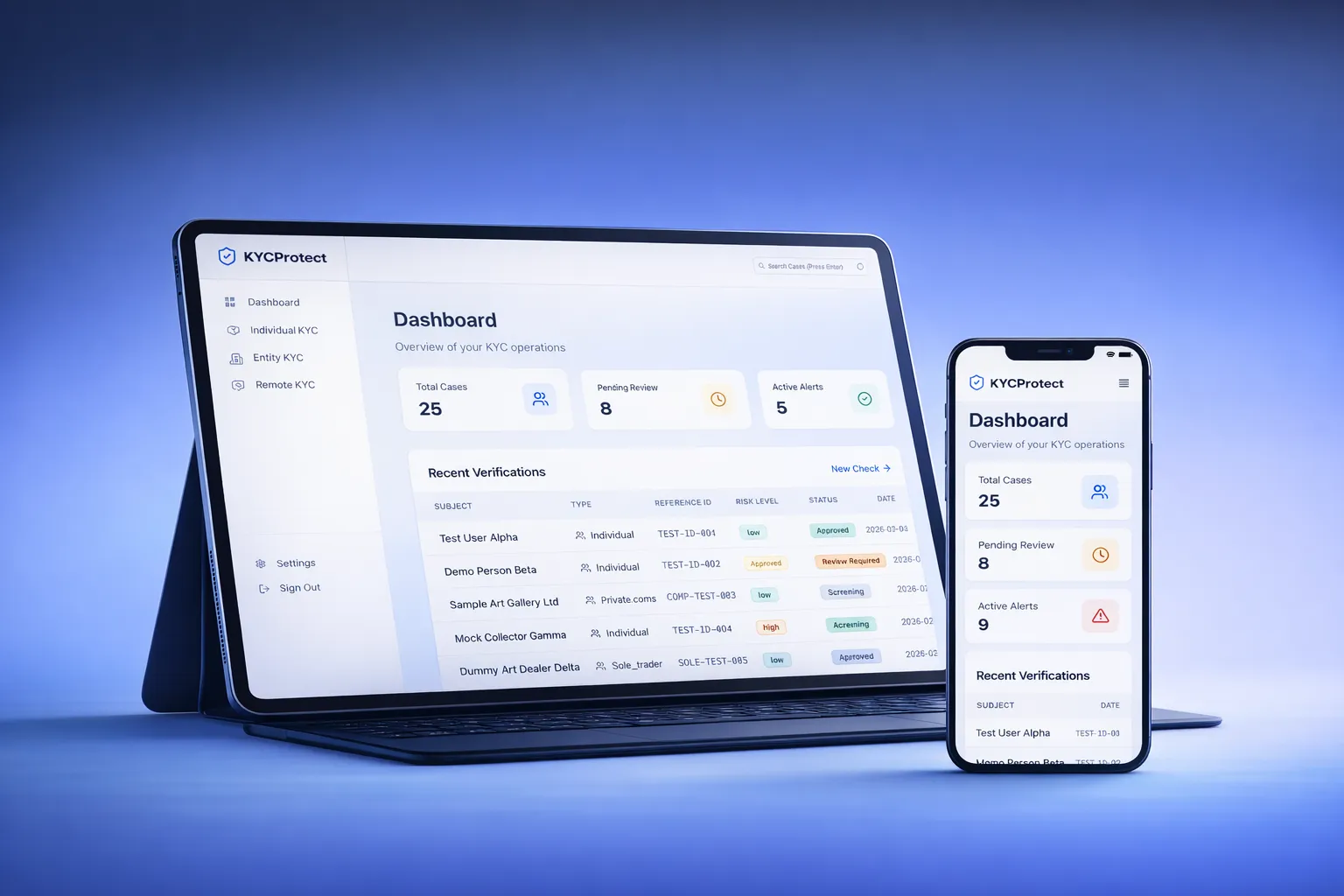
Traditional compliance tools built for retail banking introduce friction at the worst possible moment. An art-native system integrates directly into the fast-paced booth environment without stalling negotiations.
On-Site Operational Checklist for PAD Paris 2026
To ensure seamless operations in the booth, your team should deploy a four-step digital workflow:
- Instant Client Onboarding: Capture new collector details securely at the point of sale.
- Rapid Screening: Run automated ID verification, international sanctions screening, and Politically Exposed Person (PEP) checks within minutes.
- Zero-Admin Archiving: Store audit-ready verification logs automatically without manual paperwork.
- Post-Sale Monitoring: Maintain continuous, background monitoring for returning clients on future international transactions.
Looking Ahead
The art market is evolving, regulatory expectations are rising, and international buyers are becoming increasingly discerning about counterparty standards. Galleries that embrace compliance as a core operational feature are better positioned to expand globally and trade with total confidence.
Ready for PAD Paris 2026?
Discover how KYCProtect delivers friction-free, art-market-native compliance that protects your business while preserving collector relationships.
👉 Visit kycprotect.com to learn more.