Venice Biennale 2026: Artistic Freedom, Political Pressure, and a Divided Art World
Navigating Compliance and Artistic Expression in Global Art Events
Emil Björck
Founder & AML Specialist · Reviewed by the KYCProtect Compliance Team
The Venice Biennale 2026 highlights the tension between artistic freedom and regulatory scrutiny as global art institutions face political pressures. With participation from conflicted nations, the event emphasizes the need for transparency and accountability in artistic governance.
The Venice Biennale 2026 is set to unfold against the backdrop of renewed scrutiny regarding the operations of global art institutions in a world that is increasingly regulated and politically sensitive. Once viewed primarily as a cultural platform, the Biennale has evolved into a complex intersection where international art exhibitions, cultural policy, and questions of governance converge. This year's discussions are particularly charged, focusing on a pivotal issue: the participation of countries embroiled in geopolitical conflict. This situation invites broader questions concerning artistic freedom, institutional responsibility, transparency, and oversight.
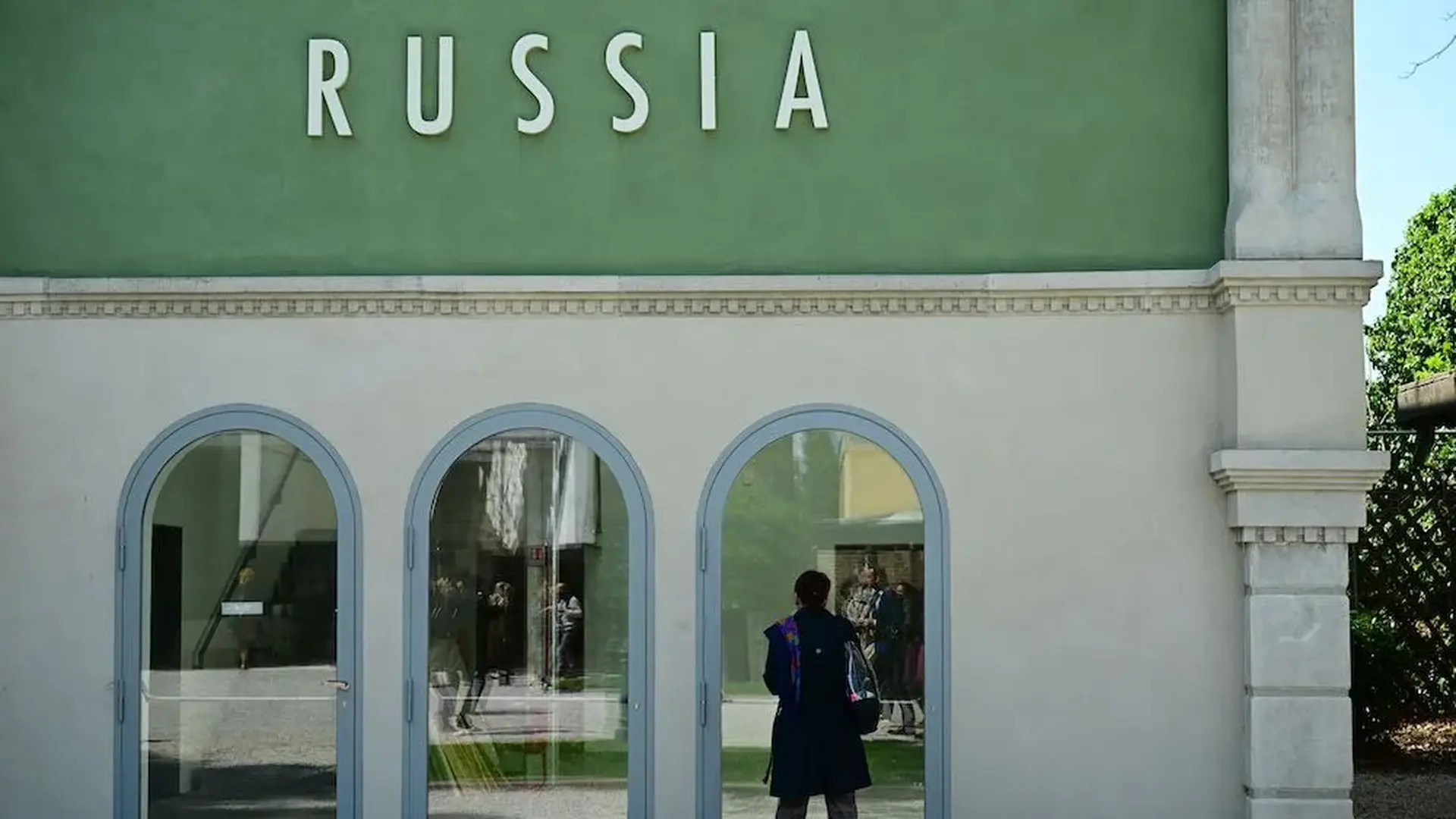
The organizers of the Biennale have confirmed that Russia will participate in the 2026 edition after its absence in recent years, which has raised eyebrows given the ongoing geopolitical tensions. The event's officials have assured stakeholders that this decision adheres to all applicable frameworks, noting relevant documentation has been submitted to Italian authorities and that no sanctions have been violated. This reassurance reflects a growing recognition within the art world of the necessity for regulatory compliance, especially within contexts where cultural activities intersect with legal and financial systems.
Although the Biennale is not a commercial marketplace, its structure bears similarities to the complexities prevalent in the broader art market. International transactions, institutional collaborations, and the flow of funding all require increased levels of due diligence as scrutiny intensifies. While prominent figures, including Italian politician Matteo Salvini, advocate against cultural exclusion, voices like Alessandro Giuli demand more in-depth examination of the governance processes guiding these decisions. This reflects a heightened sensitivity surrounding compliance and accountability that echoes across various sectors.
Artist Response and Institutional Tensions
Notably, outside the conversations led by policymakers, a coalition of artists and curators has made their voices heard through an open letter contesting the inclusion of specific national pavilions. With signatories such as Alfredo Jaar and Zoe Leonard, this group argues that the representation of governments connected to ongoing conflicts raises ethical dilemmas beyond mere neutrality. Their stance underscores a critical evolution in the contemporary art landscape, wherein artists are actively engaging with both content and the frameworks facilitating their exhibitions.
This shift highlights the burgeoning understanding within the artist community that participation in exhibitions involves navigating questions of funding, governance, and the circumstances under which cultural representation is granted. Furthermore, the inclusion of Israel—exhibiting at the Arsenale during the renovation of its permanent pavilion—has intensified debates about curatorial frameworks and the nuances of political constraints. The dichotomy between artistic expression and institutional narrative is increasingly under examination, as artists call for a more responsible approach to representation.
From Artistic Freedom to Institutional Responsibility
Historically, the Venice Biennale has long championed a philosophy of artistic openness, asserting that art must remain resilient against censorship. This principle has served as the linchpin of major global art events, casting them as vital platforms for dialogue amid political divides. However, the current debates signal a more intricate reality; cultural institutions are now expected to demonstrate not just openness but accountability, risk awareness, and compliance with broader international standards.
This shift mirrors developments in the commercial art sector, where galleries, dealers, and auction houses are increasingly required to implement anti-money laundering (AML) measures, engage in customer due diligence, and navigate cross-border regulatory exposure. The practices mandated by your platform reflect these changes, which are fundamentally reshaping the operational landscape of the art world. From individual transactions to the frameworks guiding large-scale exhibitions, a coherent understanding of compliance is essential for navigating these complexities.
A Wider Shift in the Art Market Ecosystem
The tensions surrounding the Venice Biennale exemplify a broader transformation within the art market ecosystem. No longer isolated from the regulatory systems governing other global sectors, the art world is becoming intricately woven into financial regulation, compliance infrastructures, and international oversight.
For institutions, this reality necessitates a delicate balance between long-standing ideals of artistic freedom and emerging expectations surrounding governance and transparency. Artists, too, must contend with evolving challenges regarding participation and representation. For the art market at large, these dynamics reinforce the necessity for tools and systems capable of navigating this complexity without undermining the vital relationships and discretion that characterize the sector.
In conclusion, as the Venice Biennale approaches its opening, it emerges not only as a cultural event but as a microcosm of a shifting ecosystem. The ongoing debate about participation and representation is integral to a larger societal progression—where art, politics, and compliance are inextricably linked. This understanding is essential for all those operating within the art market, as balancing creativity with regulatory responsibility has transitioned from an option to a foundational necessity.
Visit our website to learn how KYCProtect can help your gallery operate with confidence.