HMRC Launches Online Tool to Help Businesses and Individuals Understand Compliance Checks
Understanding HMRC’s New Tool for Compliance Checks Simplified
Emil Björck
Founder & AML Specialist · Reviewed by the KYCProtect Compliance Team
HMRC has introduced an online tool to assist businesses and individuals in navigating tax compliance checks. This resource aims to clarify the compliance process and provide support options, though it should not be confused with client-verification services, crucial for the art market's anti-money-laundering compliance.
HM Revenue & Customs (HMRC) has recently launched a new free online tool aimed at demystifying the tax compliance checks faced by businesses and individuals. This Interactive Compliance Guidance tool consolidates an array of HMRC resources—including guidance documentation, explanatory videos, and step-by-step instructions—into a single accessible platform on GOV.UK. The goal is to empower users by providing them with the information they need about compliance checks and how to navigate the tax landscape effectively.
A compliance check is essentially HMRC’s method for verifying whether individuals or businesses have accurately reported their tax obligations. This may include ensuring the correct amounts of tax have been paid by the specified dates and that appropriate claims for allowances or reliefs have been made. Each year, HMRC conducts roughly 300,000 compliance checks, often spurred by anomalies in tax returns or discrepancies between reported income and claimed deductions.
Knowing what triggers these checks can help alleviate some of the stress surrounding them. Common reasons for opening a compliance check include:
- Inaccurate figures on tax returns
- Large refunds despite low income reported
- Low tax declarations relative to high reported turnover
By understanding these reasons, art galleries and other businesses can better prepare themselves for potential audits.
The Compliance Check Process
When HMRC initiates a compliance check, it employs a range of methods to gather information. This could entail sending a letter requesting specific documents, engaging in discussions with the taxpayer, or even conducting in-person interviews. Importantly, there is no fixed timeframe for the completion of a compliance check. While simple cases may only take a few months, more complicated inquiries could extend over a longer period. Cooperation with HMRC can significantly expedite the review process and help mitigate any unnecessary inconvenience.
During a compliance check, it's crucial to be aware of the implications of late payments. The online tool emphasizes that taxpayers should consider making a full or partial payment during the review or setting aside funds in anticipation of any further tax liabilities that might arise. This proactive approach not only aids in maintaining compliance but can also ease the financial burden associated with pending checks.
Features of the New Online Tool
Joanne Walker, Technical Officer at the Low Incomes Tax Reform Group, has hailed the launch of this interactive tool as a significant step forward. For those unrepresented in tax matters, finding relevant information can often be an uphill battle. Walker notes that the new platform centralizes guidance, improving accessibility for everyone, especially vulnerable customers.
Key features of the Interactive Compliance Guidance tool include:
- User-friendly formats: The tool is designed in an easy-to-understand question-and-answer layout, making navigation straightforward.
- Clear guidance videos: These videos provide situational awareness and concise explanations of complex topics.
- Links to further resources: Users can easily access additional support tailored to their specific needs.
These features collectively make it easier for users to find pertinent information regarding their compliance checks, ensuring they are well-informed throughout the process.
Distinguishing the Tool from Compliance Verification Systems
It's essential to clarify that HMRC’s Interactive Compliance Guidance tool is not a client-verification tool. Unlike dedicated compliance verification software, this tool focuses solely on helping users understand compliance checks and HMRC guidance. It does not perform any know-your-customer (KYC) verifications, screen clients for sanctions or politically exposed persons, or carry out risk assessments for transactions.
For those in the art market—galleries, dealers, auction houses, and similar entities—this distinction is particularly important. While the HMRC tool provides helpful insights into compliance checks, it does not replace the need for comprehensive anti-money-laundering (AML) procedures.
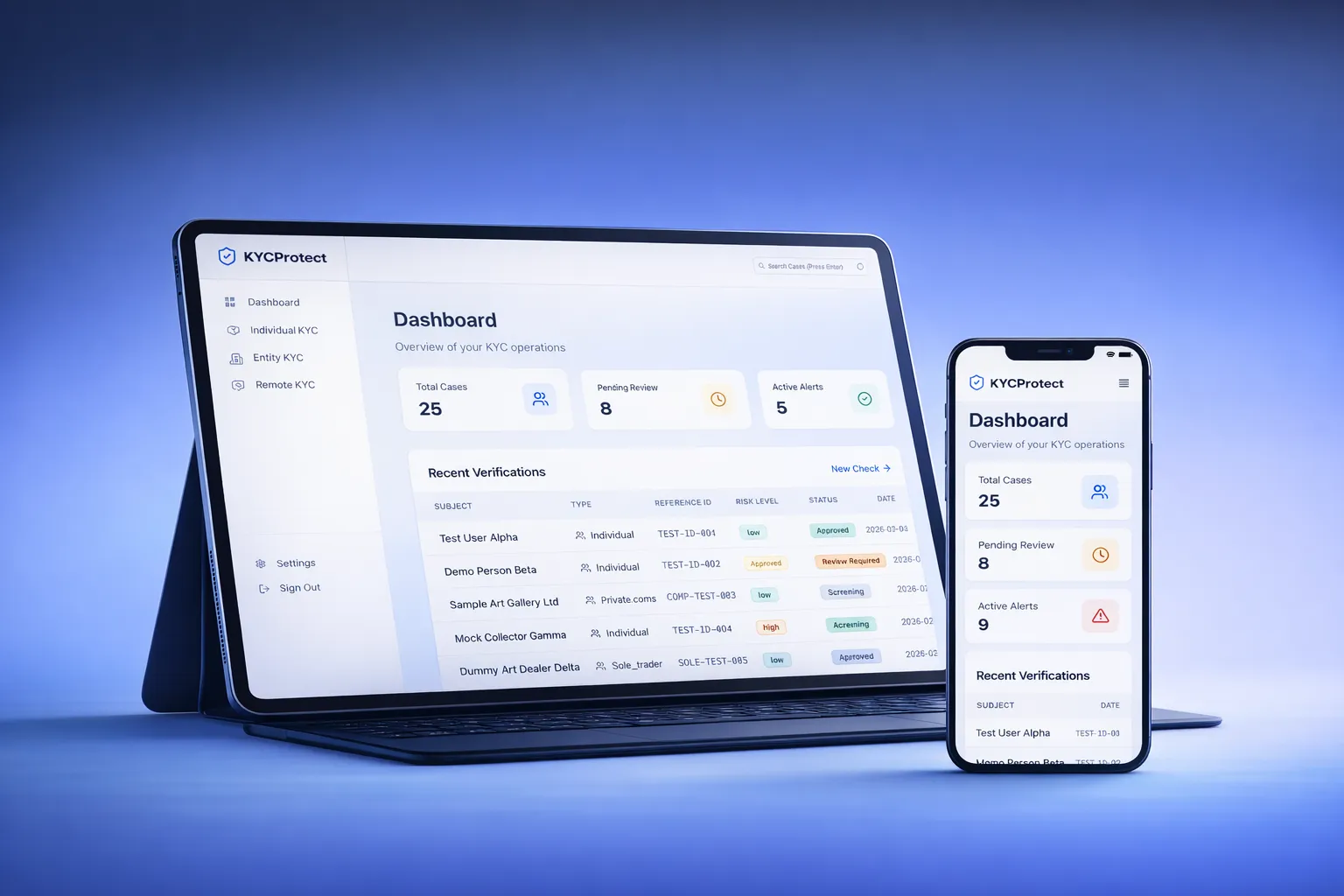
This is where specialized solutions, such as KYC Protect, come into play. KYC Protect offers tools tailored specifically for the art market, assisting in the verification of clients, carrying out required KYC checks, and fortifying AML processes. By using KYC Protect, art galleries can ensure they meet their regulatory obligations while facilitating smoother transactions.
Continuous Improvement and Future Adaptations
HMRC remains committed to refining its guidance and tools. By taking feedback from various stakeholders into account, they aim to continuously enhance the user experience. The goal is not just to provide information but to ensure that navigating tax compliance is as stress-free as possible.
By utilizing the new online tool alongside appropriate client-verification systems, art galleries and other businesses can maintain a balanced approach to compliance, reinforcing the integrity of the art market and ensuring adherence to legal standards.
In conclusion, the launch of HMRC’s Interactive Compliance Guidance tool reflects a significant effort to enhance taxpayer support. However, it is crucial to pair this resource with dedicated client-verification strategies to ensure robust compliance. Visit our website to learn how KYCProtect can help your gallery operate with confidence.