TEFAF New York 2026: Compliance in a High-Trust Market
Navigating Compliance Challenges in the Global Art Market
Emil Björck
Founder & AML Specialist · Reviewed by the KYCProtect Compliance Team

TEFAF New York 2026 positions itself as a luminary event within the global art market, uniting esteemed galleries and collectors from around the world. As the art landscape evolves, a significant shift is occurring beneath the surface: compliance. With an increasing focus on regulatory frameworks and ethical practices, art galleries are now navigating a complex environment that requires both trust and adherence to regulations.
Historically, the art market has thrived on discretion, personal relationships, and a tacit understanding between dealers and collectors. TEFAF epitomizes this ethos, showcasing renowned exhibitors like Gagosian, White Cube, and Gladstone Gallery within an atmosphere steeped in history. However, as the art market becomes more globalized, it is also contending with a rapidly converging regulatory framework.
European anti-money laundering (AML) regulations have already imposed stringent requirements on art market participants, prompting a broader call for North America to align with these standards. Regulatory bodies in both the United States and Canada oversee sophisticated AML and counter-terrorist financing (CFT) regimes shaped by the Financial Action Task Force (FATF) recommendations.
- In the United States: Regulations such as the Bank Secrecy Act and USA PATRIOT Act set forth strict expectations for customer identification, beneficial ownership transparency, and technology use in compliance.
- In Canada: Authorities enforce these types of regulations through the Proceeds of Crime (Money Laundering) and Terrorist Financing Act, supervised by FINTRAC.
As transactions in the art world often include international clients and complex ownership structures, compliance in this nuanced environment is more critical than ever.
From Documentation to Defensible Decisions
One of the most noteworthy changes in compliance practices is the shift away from merely collecting documents as the primary measure of compliance. Nowadays, regulators expect galleries to articulate and demonstrate the rationale behind their decisions.
At TEFAF, where transactions can occur swiftly, galleries face an operational challenge: they must perform critical tasks in a very short time frame. Without an evidentiary basis for their decisions, even well-documented transactions may invite scrutiny. This necessitates a sophisticated approach to compliance—one that is not just reactive but anticipatory in nature.
┌────────────────────────────────────────────────────────┐
│            THE ONSITE COMPLIANCE LIFECYCLE             │
└───────────────────────────┬────────────────────────────┘
                            │
      ┌─────────────────────┼─────────────────────┐
      ▼                     ▼                     ▼
┌─────────────────┐   ┌─────────────────┐   ┌─────────────────┐
│   IDENTIFY      │   │    EVALUATE     │   │    DOCUMENT     │
│  Fast, Secure   │   │  Dynamic Risk   │   │   Auditable     │
│ Remote ID / eID │   │    Profiling    │   │ Rationales Only │
└─────────────────┘   └─────────────────┘   └─────────────────┘
2026: Real-Time Compliance in a Real-Time Market
As we step into 2026, it is increasingly evident that the speed of compliance must match the fast-paced nature of the art market. Regulatory bodies across North America are placing a significant emphasis on ongoing monitoring rather than periodic evaluations. Under the oversight of agencies like FinCEN and FINTRAC, galleries must adjust to modern market demands.
Additionally, the emergence of beneficial ownership registers in the U.S. is raising expectations for transparency, compelling firms to grasp who ultimately controls the entities they engage with. For TEFAF exhibitors, this translates to the pressing need for compliance mechanisms that function seamlessly in tandem with transaction dynamics.
High-Density Operational Analysis
1. Client Verification Approach

┌────────────────────────────────────────────────────────┐
│ 🔴 LEGACY APPROACH: Static Paper Checklists            │
├────────────────────────────────────────────────────────┤
│ Relying on physical ID photocopies and manual log sheets│
│ filled out at the booth counter.                       │
└───────────────────────────┬────────────────────────────┘
                            ▼
┌────────────────────────────────────────────────────────┐
│ 🟢 2026 MANDATE: Real-Time Dynamic Verification        │
├────────────────────────────────────────────────────────┤
│ High-assurance cryptographic validation and automated  │
│ risk scaling during live client onboarding.            │
└────────────────────────────────────────────────────────┘
2. Transaction Monitoring Framework

┌────────────────────────────────────────────────────────┐
│ 🔴 LEGACY APPROACH: Post-Sale File Review              │
├────────────────────────────────────────────────────────┤
│ Reviewing files days or weeks after the art fair       │
│ concludes during monthly closing audits.               │
└───────────────────────────┬────────────────────────────┘
                            ▼
┌────────────────────────────────────────────────────────┐
│ 🟢 2026 MANDATE: Instant Intercept Logic               │
├────────────────────────────────────────────────────────┤
│ In-flight transaction evaluation linked to rolling     │
│ international risk matrices before processing funds.   │
└────────────────────────────────────────────────────────┘
3. Corporate Structural Audits

┌────────────────────────────────────────────────────────┐
│ 🔴 LEGACY APPROACH: Single-Layer LLC Verification      │
├────────────────────────────────────────────────────────┤
│ Relying on a simple corporate certificate without      │
│ analyzing parent shell entities.                       │
└───────────────────────────┬────────────────────────────┘
                            ▼
┌────────────────────────────────────────────────────────┐
│ 🟢 2026 MANDATE: Deep Beneficial Ownership Mapping     │
├────────────────────────────────────────────────────────┤
│ Full multi-layer parsing to expose the Ultimate        │
│ Beneficial Owner (UBO) behind shell companies.         │
└────────────────────────────────────────────────────────┘
Technology as a Response to Complexity
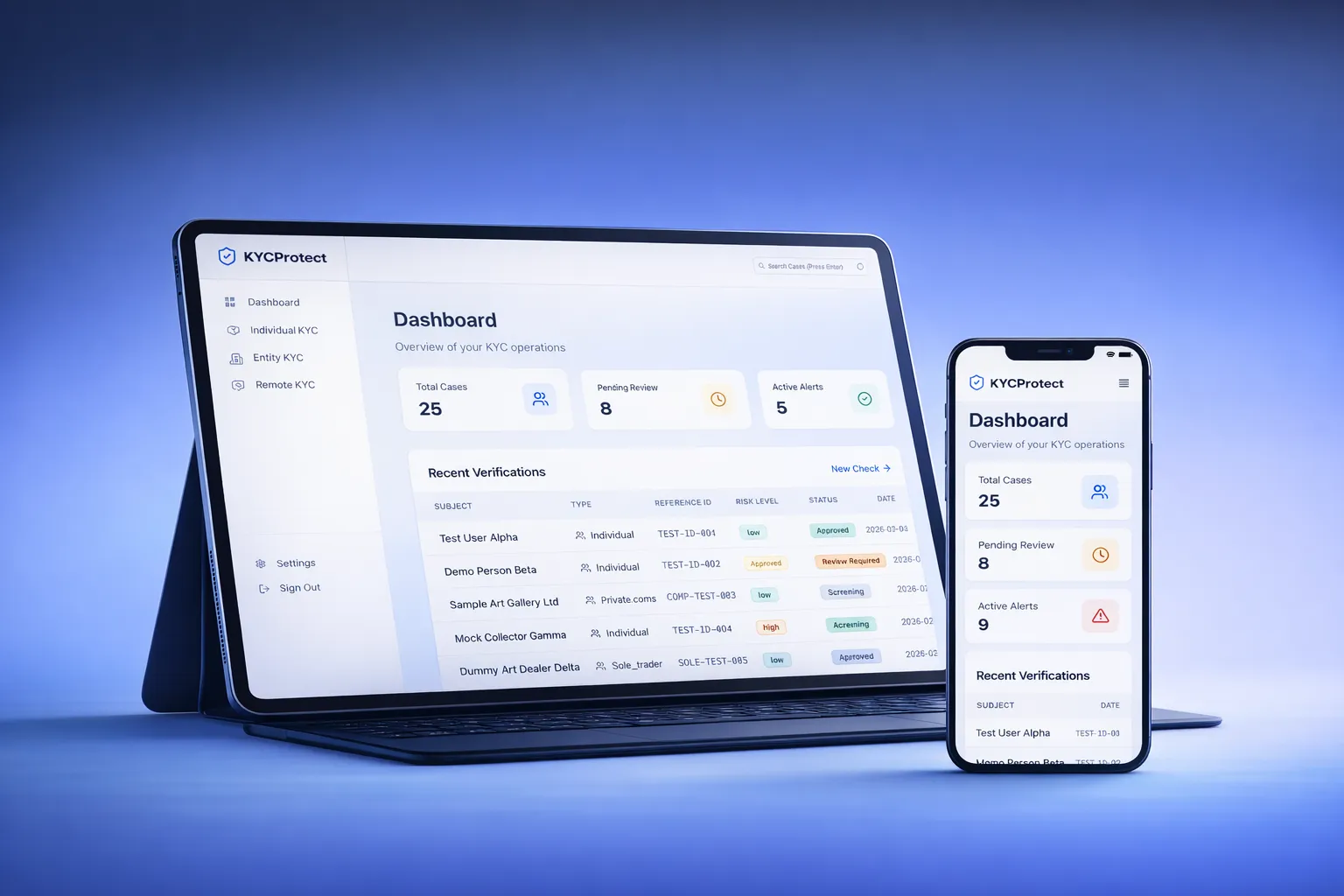
The complexity of compliance requirements renders manual processes increasingly inefficient. Across both Europe and North America, there is a clear movement toward technology-enhanced compliance solutions. AI-driven systems now facilitate:
- Document Analysis: Rapid data extraction and parsing through Optical Character Recognition (OCR).
- Cross-Validation: Instant checks of client data against sanctions, politically exposed persons (PEP), and adverse media databases.
- Pattern Recognition: Clear identification of structural inconsistencies and potential fraud patterns.
- Evidence Generation: Automation of consistent, auditable internal documentation trails.
By harnessing these technological advancements, galleries can not only improve their operational efficiency but also align their processes with regulatory expectations. Notably, recent frameworks such as the Anti-Money Laundering Act of 2020 endorse the integration of innovative analytics in compliance strategies.
Maintaining Discretion in a Regulated Environment
Despite the shifting landscape of compliance requirements, the essence of TEFAF remains rooted in the relationships that define the art world. Thus, integrating compliance without disrupting the client experience is paramount.
Galleries are adopting discreet digital verification methods, streamlined onboarding processes, and white-labeled compliance solutions to bridge this gap. These approaches allow galleries to satisfy regulatory requirements while preserving the relational tone essential to their business. Emerging technologies, including biometric verification and digital identity frameworks, further support this delicate balance between caution and client rapport.
A Concentrated Environment of Risk and Opportunity
TEFAF New York embodies a sophisticated interplay between risk and opportunity. With 88 distinguished exhibitors, including both new participants like Galerie Lelong and established galleries like Hauser & Wirth, the fair showcases the broad international dimension of the art market. This expanded scope also brings heightened regulatory exposure, particularly as cross-border transactions, diverse client profiles, and compressed decision-making timelines converge within the unique environment of the fair.
In conclusion, the essence of TEFAF New York 2026 encapsulates a significant transformation within the art realm. While the majestic backdrop of the Park Avenue Armory speaks to tradition and continuity, the operational landscape is increasingly molded by an intricate network of global regulations. As AML frameworks converge toward models prioritizing transparency and continuous oversight, galleries face the challenge of aligning compliance with the pace and relational fabric of the market.
Ultimately, compliance is evolving from a mere obligation to a robust structure that fosters trust and enables transactions, ensuring that the integrity of the art market remains intact even in the most dynamic settings.