AML Failures Puts Art Dealer in Prison
The AML Case Every Gallery Owner Should Know
Emil Björck
Founder & AML Specialist · Reviewed by the KYCProtect Compliance Team
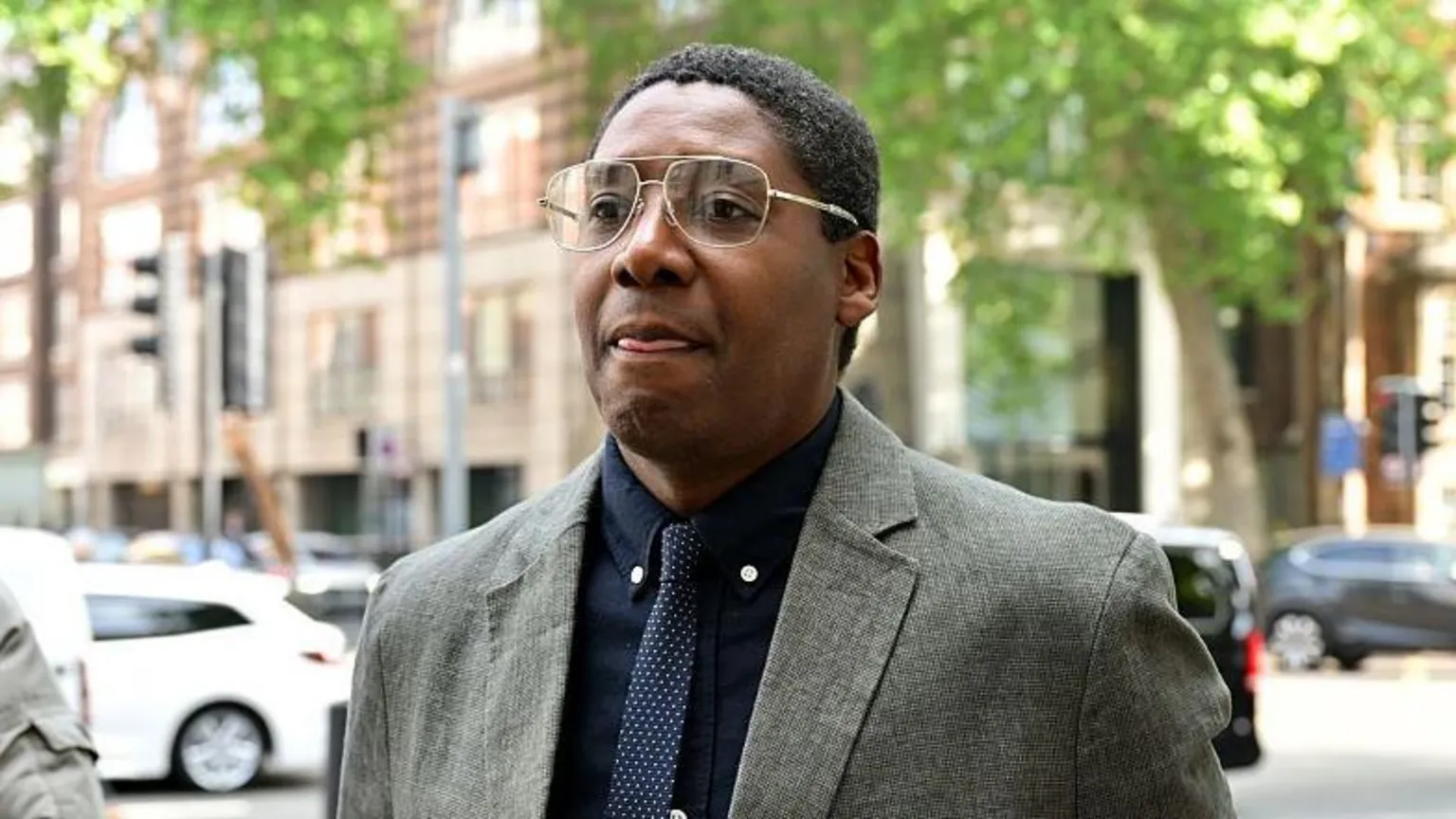
A London art dealer was sentenced to prison after selling artworks to a suspected financier of Hizballah and failing to report the transactions under anti-money laundering laws. The case is a wake-up call for art gallery owners and art market participants about AML compliance, sanctions screening, and due diligence obligations.
The conviction of London art dealer Oghenochuko Ojiri has become a defining moment for compliance in the global art market. In a landmark prosecution under the Terrorism Act 2000, Ojiri was sentenced to two years and six months in prison after selling approximately £140,000 worth of artwork to Lebanese collector Nazem Ahmad, who had been sanctioned for allegedly financing the militant group Hezbollah.
The case marks the first conviction of its kind for failing to disclose suspected terrorist financing within the regulated art market sector. For gallery owners, dealers, and art advisors, it serves as a stark reminder that anti-money laundering (AML) obligations are no longer optional administrative tasks—they are legal responsibilities with serious consequences.
Why the Art Market Is Now a Regulated Sector
Since 2019, the UK art market has been formally regulated under the Money Laundering and Terrorist Financing (Amendment) Regulations 2019. These rules require individuals and businesses dealing in artworks worth €10,000 or more to register as Art Market Participants (AMPs) with HM Revenue & Customs.
The regulations were introduced to address long-standing concerns that the art market’s privacy, global transactions, and high-value assets made it vulnerable to money laundering and terrorist financing.
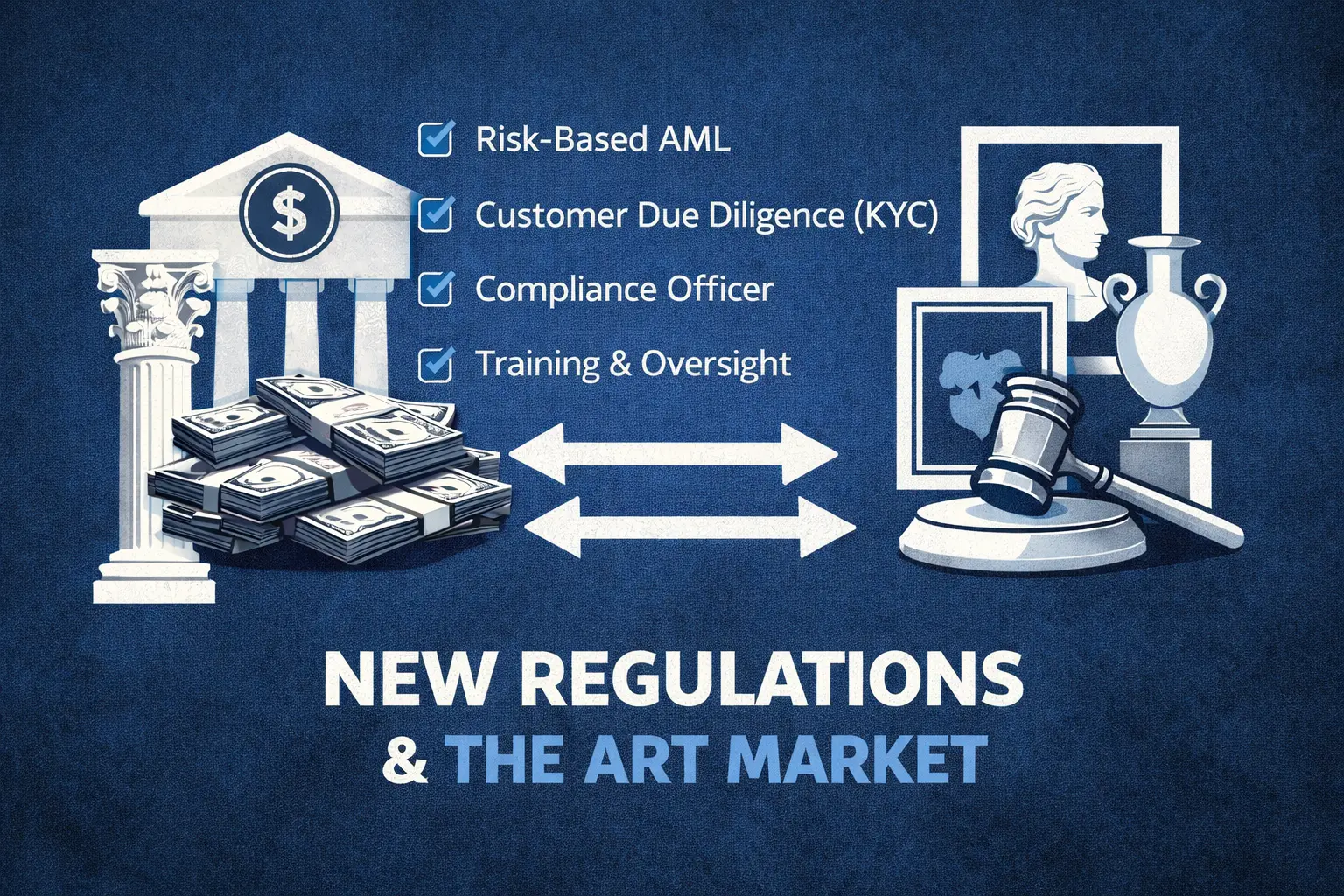
Under these rules, dealers must:
- Conduct customer due diligence (CDD)
- Identify ultimate beneficial owners
- Monitor transactions for suspicious activity
- File Suspicious Activity Reports (SARs) when necessary
Failure to comply can lead to criminal prosecution.
What Went Wrong in the Ojiri Case
Investigators from the Metropolitan Police Service Counter Terrorism Command uncovered multiple transactions between Ojiri and Ahmad between October 2020 and December 2021.
According to prosecutors, Ojiri:
- Used false names on invoices to conceal the real buyer
- Stored Ahmad’s contact under an alias
- Accepted identification documents he knew were false
- Failed to file a Suspicious Activity Report despite clear red flags
Evidence showed Ojiri had read reports about Ahmad’s alleged links to terrorism financing and even discussed sanctions with colleagues.
Instead of escalating the concerns, he continued to sell artwork, reportedly motivated partly by the prestige of dealing with a well-known collector.
The court ultimately concluded that Ojiri acted with “actual suspicion close to knowledge.”
A Warning for Gallery Owners and Art Dealers
Authorities have made it clear that this case is intended to send a message to the art market.
Financial investigators now treat the art sector similarly to banks, law firms, and financial institutions when it comes to compliance expectations.
For art businesses, that means implementing robust AML frameworks, including:
- Client identity verification
- Sanctions screening
- Risk-based due diligence
- Ongoing transaction monitoring
- Staff training on AML obligations
Ignoring warning signs or bypassing compliance tools can itself be seen as evidence of misconduct.
The Growing Enforcement Trend
The Ojiri prosecution also reflects a broader shift in enforcement strategy. Regulators are increasingly focusing on “gatekeepers”—professionals who facilitate high-value transactions.
This includes:
- Art dealers
- Auction houses
- Aalleries
- Art advisors
As enforcement increases, gallery owners should view compliance not simply as a regulatory burden but as a critical part of protecting their business and reputation.
In today’s art market, due diligence is no longer just best practice—it is a legal safeguard.