KYC Is Growing Up — And the Art Market Can No Longer Stand Still
Adapting KYC Strategies for the Transformed Art Market
Emil Björck
Founder & AML Specialist · Reviewed by the KYCProtect Compliance Team
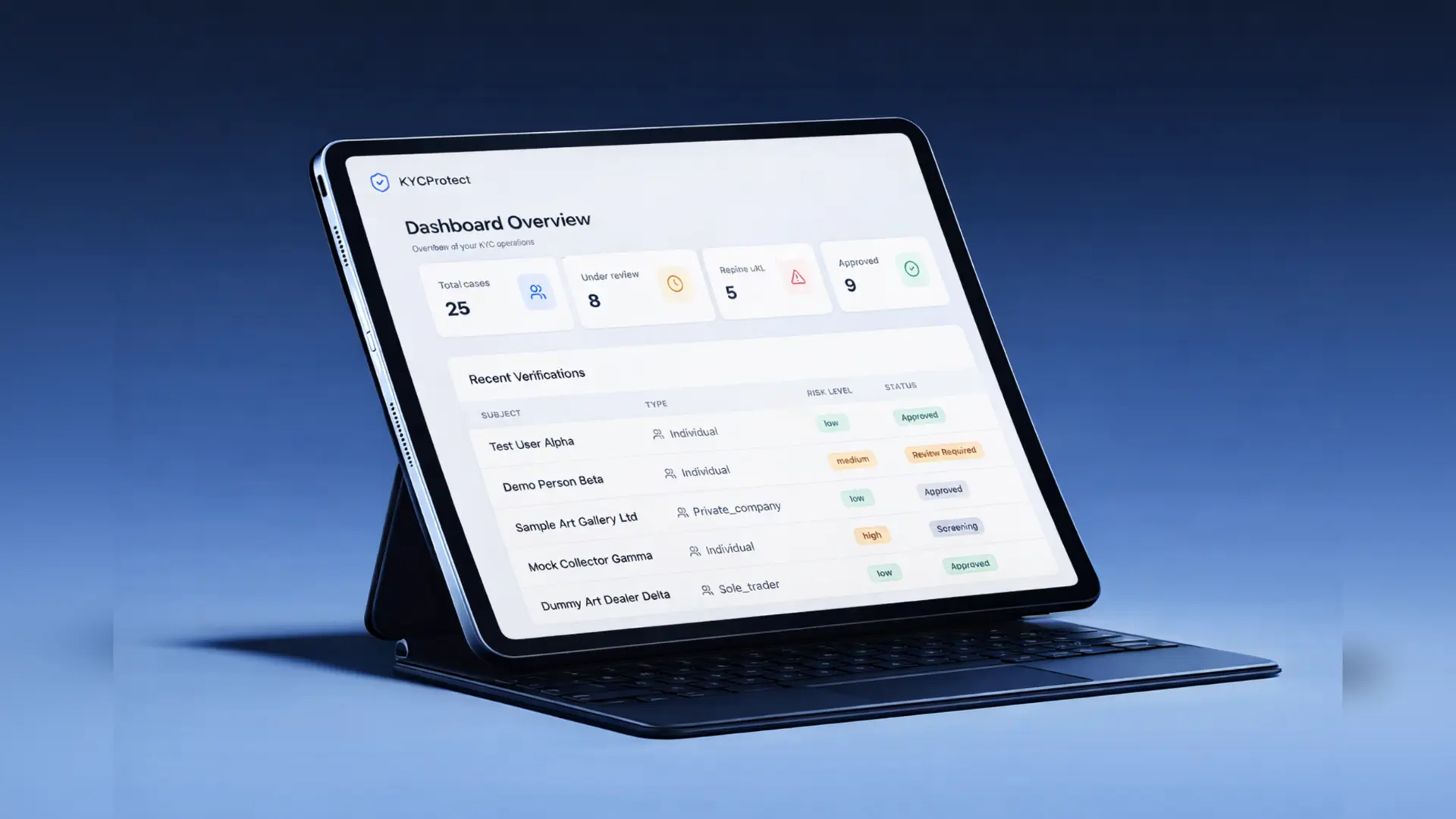
KYC is evolving into continuous risk management, reshaping compliance in the art market. As new regulations and technologies emerge, galleries must adapt from static verification to dynamic customer insights and real-time monitoring.
The landscape of compliance is evolving, and the art market is at a pivotal intersection where traditional practices meet modern expectations. As regulations grow stricter and the nature of risk changes, the necessity for effective Know Your Customer (KYC) protocols is more pressing than ever. No longer a mere box-ticking exercise, KYC is on the verge of transformation, influencing how art galleries, auction houses, and dealers operate in an increasingly digital and interconnected world.
In the past, KYC was often about fulfilling regulatory requirements with minimal effort. However, across the UK and Europe, there's a clear shift toward a more proactive approach. The traditional model of verifying a client’s identity only during onboarding is fading. Today, regulators expect a continuous assessment of clients based on their transactional behaviors over time.
This evolving narrative sees risk defined not just by who a client is but by their actions. Factors like transaction patterns, speed, and behavioral changes are becoming crucial indicators. Regulatory bodies, such as the European Banking Authority, are stressing the importance of ongoing monitoring over excessive documentation. KYC is transforming into a dynamic language of justification, where firms must explain their decisions and actions rather than simply document compliance.
From Regulation to Real-Time
The operational shifts in KYC practices are profound, moving from periodic checks to real-time risk management. Annual reviews have become outdated as firms explore models that allow for continuous monitoring. Any significant change, whether it be an ownership structure shift or a spike in transactional volume, triggers immediate reassessment.
Automation plays a crucial role in this transformation. While basic document verification has become commoditized, the growth of advanced analytics tools—such as behavioral anomaly detection and network mapping—is reshaping how firms assess risk. Yet, as these technologies permeate compliance frameworks, the scrutiny surrounding their usage also intensifies. Under the European Union's AI Act, KYC and AML systems may be classified as high-risk, necessitating enhanced transparency and human oversight.
Consequently, KYC teams are evolving from clerical roles into dynamic decision-makers—much like control-room operators—responsible for interpreting real-time data and making judgements that can impact the firm and its clients.
Two Jurisdictions, One Direction
Despite the regulatory divergence following Brexit, both the UK and EU are moving forward with similar objectives regarding KYC. The EU is centralizing its supervision via the new Anti-Money Laundering Authority (AMLA), while the UK's Financial Conduct Authority (FCA) adopts a more flexible, judgement-driven model. Nevertheless, the overall expectations around customer due diligence, sanctions screening, and beneficial ownership remain closely aligned.
This alignment creates a valuable shift: UK firms are increasingly motivated to adapt to EU standards—not due to regulatory necessity, but to ensure credibility, partnerships, and market access within cross-border operations. Consequently, KYC frameworks must evolve towards interoperability, preparing for efficient operations across divergent regulatory landscapes.
The Art Market at a Crossroads
The art market specifically faces unique challenges amidst these transformations. Galleries, auction houses, and dealers operate in an environment characterized by high-value transactions and a need for discretion. With new regulatory requirements mandating customer due diligence for transactions exceeding €10,000, many players in this sector lag behind in compliance readiness.
Traditional Anti-Money Laundering (AML) systems typically fail to accommodate the nuanced realities of art transactions—often being either overly rigid or ill-suited to the fluid dynamics of buying and selling art. The expectation from regulators has shifted; they are no longer satisfied with just the presence of checks, but require a clear understanding of how risks are managed and mitigated.
Designing for Judgement
This is where KYCProtect comes into play, addressing the unique demands of art galleries and dealers. Rather than imposing generic financial workflows, KYCProtect tailors its approach to the art sector, weaving together regulatory obligations with the need for discretion and operational fluidity. The platform streamlines processes from onboarding to ongoing monitoring, empowering firms to maintain a clear, defensible understanding of their clients without impeding relationships or transaction flow.
The vision behind KYCProtect extends beyond digital compliance; it is about reimagining how compliance integrates into daily practice. As risk landscapes shift, maintaining a comprehensive and evolving client view—encompassing ownership structures and funding sources—becomes non-negotiable. This approach fosters trust rather than acting as an onerous regulatory obligation.
The End of Comfortable Compliance
As risk management evolves, so do expectations from regulators. The focus is now on proactive identification and response to risk rather than retrospective justification of actions. This cultural shift demands that compliance is no longer confined to the margins of business practices but embedded in every transaction.
The challenge is multifaceted—blending technical capability with a cultural acceptance of accountability and judgement. As compliance teams shift towards making visible, contestable decisions, they embody a maturation process that regulators increasingly value.
As the art market grapples with these transitions, it must confront a critical question: If KYC is moving away from static verification towards continuous judgement, are your systems designed for a world that is evolving or one that is fading away?
To navigate this transforming landscape effectively, leverage KYCProtect’s tailored solutions. Empower your gallery, auction house, or dealership with the infrastructure necessary for compliance success. Visit our website to learn more about how you can integrate effective KYC protocols into your operations today.